


Mèng Pó Wàng 孟婆·忘 Sept Neuf 七寸九
Fragrance Story
Mèng Pó Wàng 孟婆·忘 by Sept Neuf 七寸九 is a fragrance for women and men. Mèng Pó Wàng 孟婆·忘 was launched in 2022. The nose behind this fragrance is Nanako Ogi. Top notes are Solar Notes and Clary Sage; middle notes are Sandalwood, Patchouli and Vetiver; base notes are Powdery Notes, Ambergris and Musk.
Composition Profile
About the Perfumer

Nanako Ogi
Nanako Ogi is a perfumer whose work spans multiple brands, including By Maya Karin, Eutopie, Fragrance Du Bois, HMNS, Laverne, and LeROZA Perfumes. Her creations include Laici for By Maya Karin, Eutopie No 11, Fragrance Du Bois Sirène, HMNS Orgsm, Laverne Jamilah, and LeROZA Perfumes Azur Profond and Signature Nobilis. Ogi's style often blends floral, fruity, and woody accords with a contemporary touch.
Fragrance Notes
Top Notes
First impression · 15-30 min
 Solar Notes
 Clary Sage
Heart Notes
Core character · 2-4 hours
 Sandalwood
 Patchouli
 Vetiver
Base Notes
Lasting impression · 4+ hours
 Powdery Notes
 Ambergris
 Musk
Musk
Mèng Pó Wàng 孟婆·忘 Sept Neuf 七寸九 by Sept Neuf 七寸九 offers a distinctive olfactory experience that stands out from other fragrances in its category.
Crafted with the finest ingredients and a blend of traditional and modern perfumery techniques, this fragrance represents the pinnacle of the perfumer's art.
Mèng Pó Wàng 孟婆·忘 Sept Neuf 七寸九 embodies the distinctive style of Sept Neuf 七寸九 while adding a unique chapter to their fragrance portfolio.
Character Profile
The Mystic Archetype: Portrait of Mèng Pó Wàng 孟婆·忘 Sept Neuf 七寸九
Essence
The Mystic archetype dwells at the threshold between worlds, and Mèng Pó Wàng embodies this liminal space. Named after the Chinese goddess of forgetfulness who serves the broth of oblivion, this fragrance is a bridge between memory and release. The solar notes and clary sage in the top create a fleeting brightness, like a last glimpse of sunlight before descending into shadow. As the scent deepens, sandalwood, patchouli, and vetiver form an earthy, meditative core, while the powdery base of ambergris and musk settles like dust from a forgotten dream.
This is not a fragrance for the living room or the office. It is for the solitary walk at dusk, the moment of letting go, the ritual of release. The Mystic wears this scent to honor what has passed and to make peace with the unknown.
Style & Aesthetic
The Mystic’s wardrobe is a study in texture and shadow: flowing linen in charcoal and deep indigo, worn velvet, and raw silk. They favor asymmetrical cuts, layered necklaces of rough stones, and rings that catch the light. Their aesthetic is monastic but not austere, with a touch of the theatrical-a long coat that billows in the wind, boots that have walked many miles.
Their home is a sanctuary of incense, dried herbs, and books with cracked spines. They collect objects that hold stories: a fossil, a feather, a piece of driftwood. Every item is chosen for its energy, not its price tag.
Philosophy & Values
The Mystic believes that memory is both a treasure and a cage. They value transformation over stagnation, and they understand that some doors must be closed for others to open. Their philosophy is rooted in the acceptance of impermanence: everything fades, and that is not a tragedy but a truth.
They seek wisdom in silence and in the spaces between words. They are drawn to rituals-morning tea, evening meditation, the lighting of a candle-not as empty habits but as anchors in a chaotic world. For them, the act of forgetting is not a loss but a liberation.
Relationships
The Mystic forms deep, soulful connections but guards their solitude fiercely. They are the friend who listens without judgment, who holds space for others’ pain without needing to fix it. In love, they are intense and loyal, but they require a partner who understands the need for silence and distance.
They attract those who are also searching-for meaning, for healing, for a way to let go of the past. Their relationships are often transformative, but they can be elusive, disappearing into their inner world without warning. They are not cold; they are simply elsewhere.
Lifestyle
The Mystic’s life is a series of small, intentional acts. They wake early to watch the sunrise, they journal by candlelight, they walk in the rain without an umbrella. Their diet is simple and seasonal; they prefer tea over coffee, and they cook with herbs they have dried themselves.
They are drawn to places of stillness: libraries, temples, empty beaches. They practice yoga or tai chi, not for fitness but for the flow of energy. Their evenings are spent reading poetry, listening to ambient music, or simply sitting in the dark. They are rarely bored, because they are always listening.
Shadow
The Mystic’s shadow is the risk of detachment. They can become so enamored with the idea of release that they forget to engage with the present. They may use spirituality as an escape, avoiding the messy, beautiful chaos of human connection. Their love of solitude can tip into isolation, and their acceptance of impermanence can become a refusal to fight for what matters.
They must guard against becoming a ghost in their own life-present but not fully there, observing but not participating. The fragrance of Mèng Pó Wàng is a reminder that forgetting is only half the journey; the other half is remembering how to live.
Conclusion
Mèng Pó Wàng is the scent of the Mystic who has learned to let go. It is woody, powdery, and deeply introspective, a fragrance for those who walk between worlds. The Mystic wears it not to be forgotten, but to remember what truly matters: the courage to release, the grace to begin again, and the wisdom to know that every ending is a doorway.
Similar Fragrances
Fragrances with a comparable profile - shared accords, notes, and character.

Ajmal
Shadow Grey Ajmal
Shared accords: amber, aromatic, balsamic

Subhi Khalilbayov
Money Bag Subhi Khalilbayov
Shared accords: amber, animalic, aromatic

Roberto Cavalli
Paradise Found Roberto Cavalli
Shared accords: amber, animalic, aromatic
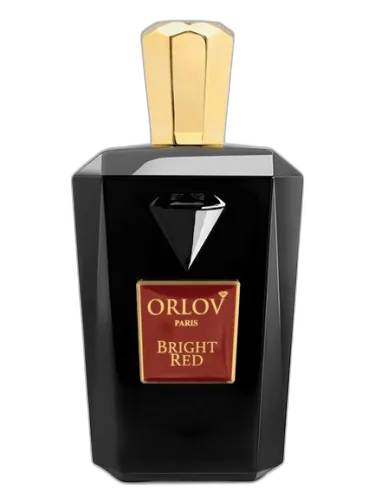
Orlov Paris
Bright Red Orlov Paris
Shared accords: amber, aromatic, balsamic

Boadicea the Victorious
Angelic Boadicea The Victorious
Shared accords: amber, aromatic, earthy