
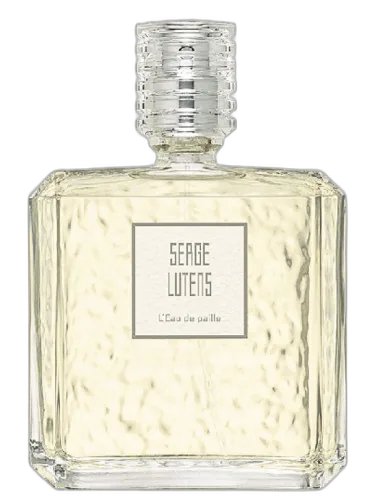
L'eau De Paille Serge Lutens
Fragrance Story
L'Eau de Paille by Serge Lutens is a Aromatic Fougere fragrance for women and men. L'Eau de Paille was launched in 2019. The nose behind this fragrance is Christopher Sheldrake.
Composition Profile
About the Perfumer

Christopher Sheldrake
Christopher Sheldrake is a British perfumer best known for his long collaboration with Chanel, where he created Coco Noir and its extrait. He has also worked with brands like Avon, Rochas, and Scents of Time, producing fragrances such as Perceive and Tocadilly. His style is versatile, ranging from elegant florals to modern chypres.
Fragrance Notes
All Notes
Complete scent profile
 Incense
 Hay
Hay
 Vetiver
L'eau De Paille Serge Lutens by Serge Lutens offers a distinctive olfactory experience that stands out from other fragrances in its category.
Crafted with the finest ingredients and a blend of traditional and modern perfumery techniques, this fragrance represents the pinnacle of the perfumer's art.
L'eau De Paille Serge Lutens embodies the distinctive style of Serge Lutens while adding a unique chapter to their fragrance portfolio.
Character Profile
The Wanderer Archetype: Portrait of L'eau De Paille Serge Lutens
Essence
The Wanderer is a seeker of the ephemeral, one who finds beauty in the transient and the overlooked. L'Eau de Paille captures this spirit: a whisper of hay drying in a summer field, the ghost of incense on a traveler's coat, the green bitterness of vetiver after rain. This is not a destination but a journey-a scent that never settles, always moving.
Style & Aesthetic
Their style is effortlessly layered: a linen shirt worn soft, a weathered leather satchel, boots scuffed from many roads. They collect objects with stories-a pressed flower from a mountain pass, a postcard from a forgotten village. Their aesthetic is rustic and poetic, favoring natural fibers and muted earth tones. They look like they just stepped off a train from somewhere far away.
Philosophy & Values
They believe in the sacredness of the ordinary. A blade of grass, a patch of moss, the smell of dry earth after a storm-these are their cathedrals. They value freedom above all, but not the freedom of escape; rather, the freedom to be present. They reject materialism not out of poverty but out of a conviction that the best things cannot be owned.
Relationships
They form deep but fleeting connections. They are the friend who appears after a year of silence with a gift and a story, the lover who stays for a season and leaves a poem. They do not abandon; they simply follow the current of their own restlessness. They are drawn to fellow travelers, artists, and those who understand that goodbye is not a failure.
Lifestyle
Their life is a series of small pilgrimages. They walk instead of drive, take the long way home, and stop to watch the light change. They cook simple meals with foraged herbs, write in a worn journal, and sleep with windows open. They have no fixed address but always return to the same places: a certain café, a bend in the river, a friend's spare room.
Shadow
The Wanderer's shadow is rootlessness and avoidance. They can mistake movement for growth, using the road as a way to outrun commitment. Their freedom can become a cage of its own, a refusal to let anyone truly know them. They risk becoming a ghost in their own life-always arriving, never staying long enough to be seen.
Conclusion
L'Eau de Paille is the scent of a life lived in the margins-the dry grass at the edge of the field, the smoke from a distant fire. It is for the one who finds home not in a place but in the act of moving through the world with open eyes. To wear it is to carry a piece of the road with you, always.
Similar Fragrances
Fragrances with a comparable profile - shared accords, notes, and character.
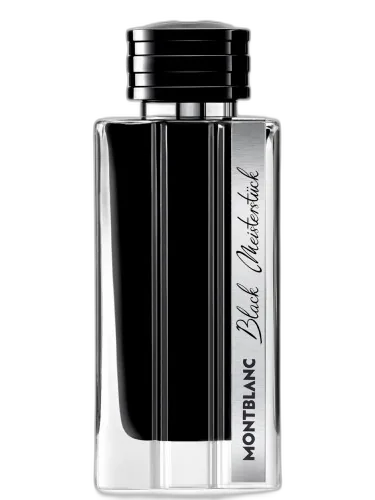
Montblanc
Black Meisterstuck Montblanc
Shared accords: amber, aromatic, balsamic
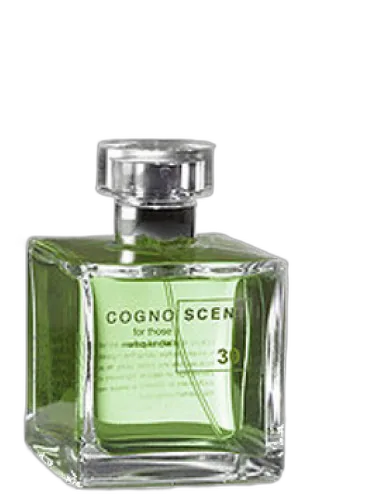
Cognoscenti
No 30 Hay Incense Cognoscenti
Shared accords: amber, aromatic, balsamic
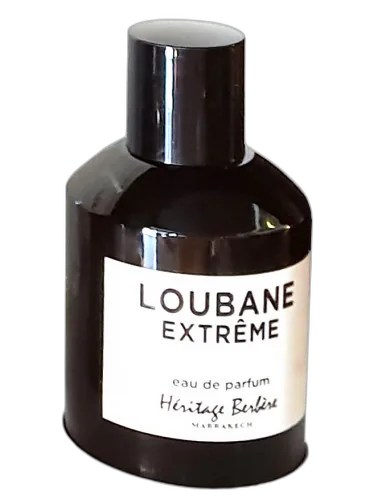
Héritage Berbère
Loubane Extreme Héritage Berbère
Shared accords: amber, aromatic, balsamic
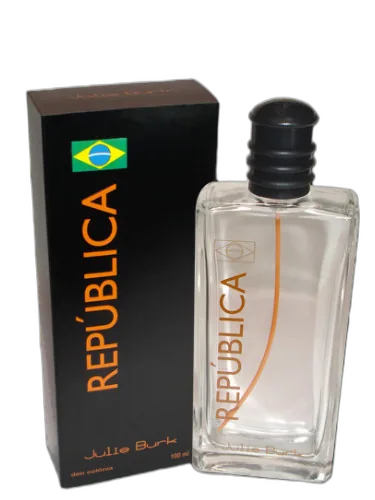
Julie Burk Perfumes
Republica Brasileira Julie Burk Perfumes
Shared accords: amber, aromatic, balsamic
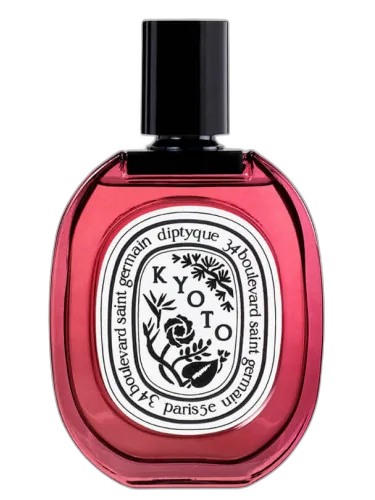
Diptyque
Kyoto Diptyque
Shared accords: amber, aromatic, balsamic