
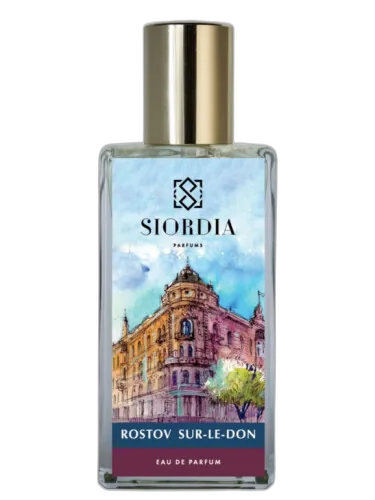

Rostov Sur-le-don Siordia Parfums
At a glance
Is Rostov Sur-le-don Siordia Parfums worth trying?
Rostov Sur-Le-Don by Siordia Parfums is a fragrance for women and men.
- Best match
- Evening wear in Summer
- Performance feel
- Good longevity with Moderate sillage
- Signature profile
- fruity, aquatic, green with mulberry, Black Currant, Water Notes
The first impression
Rostov Sur-Le-Don by Siordia Parfums is a fragrance for women and men. This is a new fragrance. Rostov Sur-Le-Don was launched in 2024. The nose behind this fragrance is Ekaterina Siordia.
What shapes the scent
The perfumer behind it

Ekaterina Siordia
Ekaterina Siordia is a perfumer behind multiple fragrances for Ladanika and her own Siordia Parfums line. Her creations include Mothers-daughters, Antoinette, Apricot Soul, Arrakis, Bakst, Boswellia, Botticelli, and Cassiopeia. Siordia’s work spans a wide range of styles, from floral and fruity to woody and gourmand.
Notes pyramid
All Notes
Complete scent profile
 mulberry
 Black Currant
 Water Notes
 Musk
Musk
 Watermelon
 Tobacco
Herbal Notes
Tobacco
Herbal Notes
 Apricot
 Bird cherry
 Acácia
The mood it creates
The Alchemist Archetype: Portrait of Rostov Sur-le-don Siordia Parfums
Essence
At the core of this person’s being lies the Alchemist-a seeker of transformation, a connoisseur of the rare and the refined. The Alchemist does not merely wear a fragrance; they engage with it as an extension of their inner world, a distillation of their philosophy. Rostov Sur-le-don Siordia, with its enigmatic blend of dark florals, smoky woods, and elusive spices, speaks to someone who views life as a process of refinement, where raw experience is transmuted into something deeper, more meaningful.
This is not a person who stumbles into beauty; they cultivate it. They are drawn to the interplay of shadow and light, the tension between decadence and restraint. The fragrance mirrors their soul-complex, layered, impossible to categorize in simple terms.
Shadow
Yet the Alchemist’s greatest strength is also their flaw: their relentless pursuit of perfection can become a prison. They may grow impatient with the unrefined, dismissive of anything that does not meet their exacting standards. Life, in its messiness, sometimes resists transmutation-and this frustrates them. They might withdraw into solitude, mistaking their own discernment for superiority.
There is also the danger of becoming lost in their own labyrinth. The very complexity they cherish can turn inward, breeding melancholy or even paralysis. They may spend so much time searching for the perfect experience that they forget to live the one before them. At their worst, they become the recluse, the aesthete who admires life from a distance but hesitates to fully engage with it.
Conclusion
Their tastes are deliberate, almost ceremonial. They do not chase trends but instead assemble a personal aesthetic from fragments of history, art, and philosophy. Their wardrobe leans toward structured elegance-tailored coats, rich textures, a preference for deep hues that suggest both warmth and mystery. They might collect first editions of esoteric literature, rare vinyl records, or antique apothecary bottles. Their home is not merely decorated but composed, each object chosen for its resonance rather than its utility.
Philosophically, they are drawn to paradox. They believe in the sacredness of the ephemeral-moments of beauty that cannot be replicated, emotions that defy language. They may quote Rilke or Pessoa in conversation, not to impress, but because these voices articulate what they feel in their bones. Their values are rooted in authenticity, but not the crude kind; theirs is an authenticity that demands self-interrogation, a willingness to embrace contradiction.
If you like this, try these
Fragrances with a comparable profile - shared accords, notes, and character.
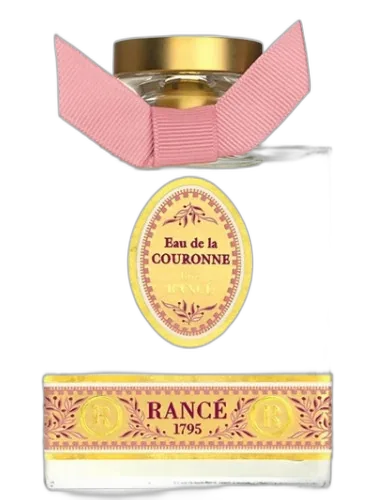
Rance 1795
Rue Rance Eau De La Couronne Rance 1795
Shared top notes: black currant
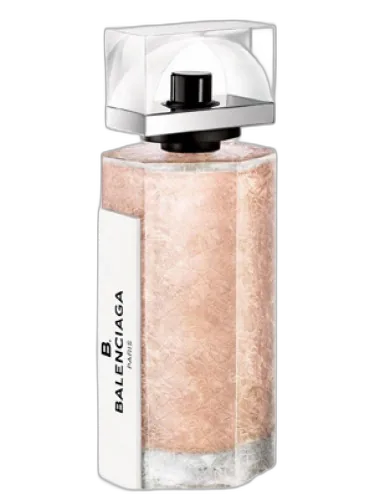
Balenciaga
B. Balenciaga Balenciaga
Shared accords: aquatic, floral, fresh
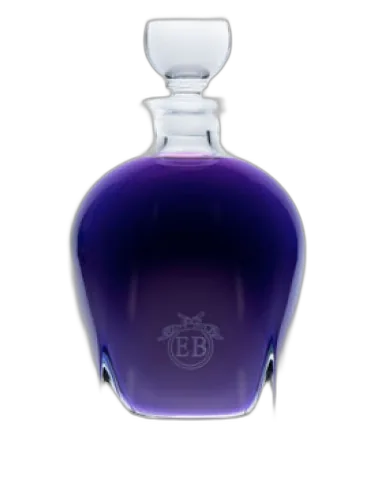
Eric Buterbaugh Florals
Fragile Violet Eric Buterbaugh Florals
Shared top notes: mulberry
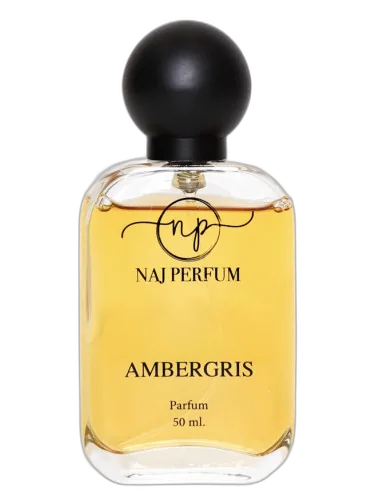
Naj Perfum
Ambergris Naj Perfum
Shared top notes: tobacco

Ineke
Chemical Bonding Ineke
Shared top notes: black currant