
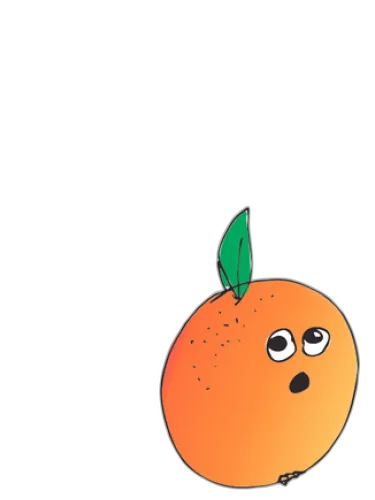

The Spray Tan Incident Smell Bent
At a glance
Is The Spray Tan Incident Smell Bent worth trying?
The Spray Tan Incident by Smell Bent is a Aromatic Green fragrance for women and men.
- Best match
- Casual wear in Spring, Summer
- Performance feel
- Moderate longevity with Moderate sillage
- Signature profile
- citrus, woody, aromatic with Clementine, Massioa, Bergamot
The first impression
The Spray Tan Incident by Smell Bent is a Aromatic Green fragrance for women and men. The nose behind this fragrance is Brent Leonesio.
What shapes the scent
The perfumer behind it

Brent Leonesio
Brent Leonesio has created fragrances for both Scent Trunk and Smell Bent, with a portfolio that includes Fae, 2010, Artist's Studio, Blimey, Limey!, Bohemian Rhapsody, Bollywood Or Bust, Bolshevixen, and Brussels Sprouted. His style is playful and eclectic, often drawing from pop culture and whimsical themes. Leonesio's scents are recognized for their creativity and accessibility.
Notes pyramid
All Notes
Complete scent profile
 Clementine
 Massioa
 Bergamot
 Mahogany
 Vetiver
 Green Notes
 Aldehydes
The mood it creates
The Lover Archetype: Portrait of The Spray Tan Incident Smell Bent
Essence
The one who favors The Spray Tan Incident by Smell Bent is, above all, a Jester-an archetype of irreverence, playfulness, and subversion. The Jester thrives on wit, irony, and the absurd, refusing to take life too seriously. They delight in upending expectations, whether through humor, style, or sheer unpredictability. This fragrance-a cheeky, sunbaked blend of coconut, tanning oil, and a hint of mischief-mirrors their essence: a person who finds beauty in the artificial, joy in the kitsch, and truth in the absurd.
Yet, the Jester is not merely a clown. Beneath the laughter lies a sharp mind, one that uses humor as both shield and weapon. They mock convention not out of nihilism, but because they see through its pretenses. Their love for this scent-a parody of beachy tropes-reveals a deeper philosophy: life is too strange to be lived earnestly.
Style & Aesthetic
Their tastes are an ode to the gloriously tacky-the neon-lit, the plastic, the deliberately overdone. They might collect vintage postcards of sunburnt tourists, wear Hawaiian shirts unironically, or decorate their space with thrifted palm tree lamps. Their aesthetic is camp in the truest sense: an embrace of exaggeration, a celebration of artifice as art.
Music? Perhaps disco, yacht rock, or synth-pop-genres that shimmer with surface-level decadence but carry undercurrents of melancholy. Films? Cult classics, B-movies, anything that winks at its own absurdity. They don’t just enjoy these things; they study them, finding depth in what others dismiss as frivolous.
They live as if life were a perpetual holiday, even when it’s not. Their home might feel like a tiki bar, their wardrobe a curated collection of "bad" fashion. They work, of course-perhaps in creative fields, or any job that allows them to bend rules-but they treat obligations as games to be won, not burdens to bear.
Yet, this refusal to take things seriously can become a flaw. When life demands gravity, they deflect with a joke. When others need sincerity, they offer irony. The shadow of the Jester is the avoidance of depth, the fear that without laughter, they might drown in the weight of existence.
Philosophy & Values
They reject the tyranny of "good taste." To them, authenticity is not about purity but about owning one’s contradictions. They might quote Oscar Wilde: "One should either be a work of art or wear a work of art." Their philosophy is a dance between hedonism and cynicism-they indulge in life’s pleasures but never fully believe in them.
Their values are libertarian in spirit: freedom to be ridiculous, to defy norms, to laugh at sacred cows. Yet, this is not mere rebellion-it’s a refusal to let life be dictated by unseen rules. They see the world as a grand, absurd theater, and they play their role with flair.
Relationships
In love and friendship, they are magnetic but elusive. They draw people in with their humor, their refusal to conform, their effortless cool. Yet, they resist deep attachment, fearing that sincerity might dull their edge. Their relationships are playful, flirtatious, full of inside jokes-but they keep a part of themselves at a distance.
They attract admirers but struggle with vulnerability. Their shadow emerges here: the fear that beneath the laughter, they might be hollow. They mock sentimentality because they secretly crave it.
Shadow
The Jester’s greatest strength-their ability to disarm, to reframe, to mock-can become their downfall. When overused, humor becomes armor, irony a prison. They risk becoming the court jester who no longer knows how to speak plainly, the satirist who forgets what they truly believe.
Yet, in their best moments, they remind us that life is not meant to be endured with solemnity. They are the ones who, with a whiff of coconut-scented irreverence, make the world a little less suffocating.
And perhaps that is their greatest gift: the courage to be ridiculous in a world that takes itself too seriously.
If you like this, try these
Fragrances with a comparable profile - shared accords, notes, and character.
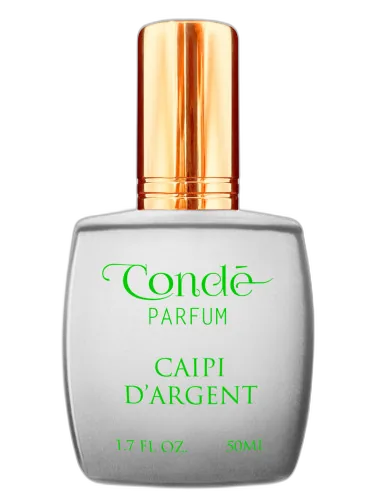
Condé Parfum
Caipi D' Argent Condé Parfum
Shared top notes: bergamot
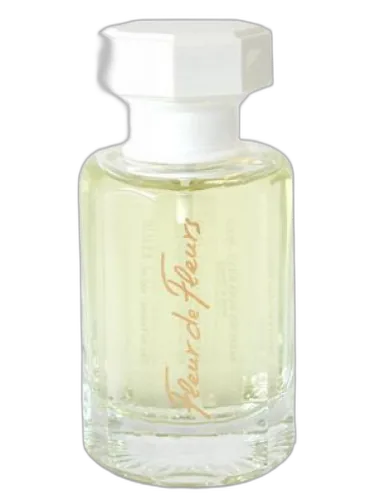
Nina Ricci
Fleur De Fleurs Nina Ricci
Shared top notes: aldehydes, bergamot, green notes
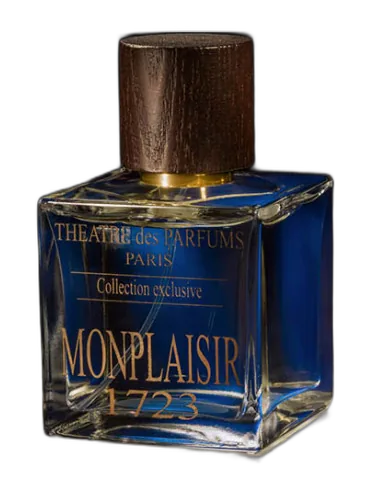
Theatre des Parfums
Monplaisir 1723 Theatre Des Parfums
Shared top notes: aldehydes, bergamot
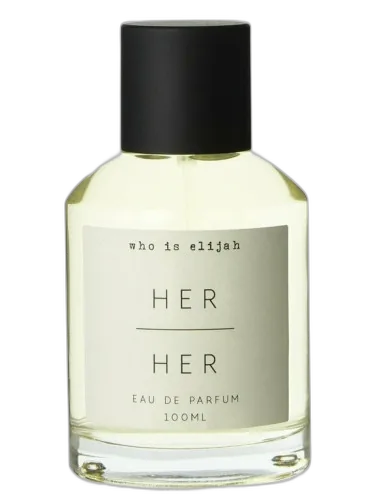
Who is Elijah
Her | Her Who Is Elijah
Shared top notes: bergamot, vetiver
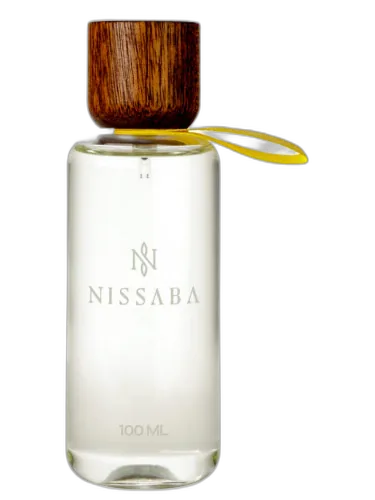
Nissaba
Chaco Nissaba
Shared top notes: bergamot