
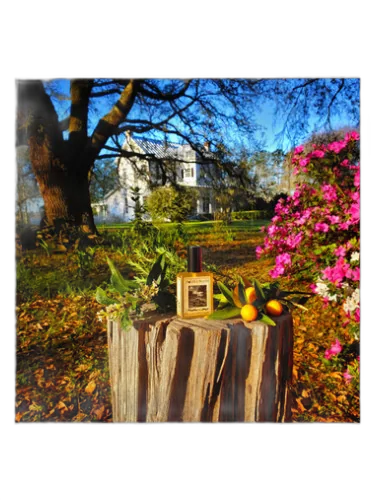

Farmhouse In Spring Solstice Scents
At a glance
Is Farmhouse In Spring Solstice Scents worth trying?
Farmhouse In Spring by Solstice Scents is a Floral fragrance for women and men.
- Best match
- Casual wear in Spring
- Performance feel
- Good longevity with Moderate sillage
- Signature profile
- white floral, earthy, smoky with Citrus Blossom, Smoke, Earthy Notes
The first impression
Farmhouse In Spring by Solstice Scents is a Floral fragrance for women and men. This is a new fragrance. Farmhouse In Spring was launched in 2023. The nose behind this fragrance is Angela St.John.
What shapes the scent
The perfumer behind it

Angela St.John
Angela St. John is the founder and creative force behind Solstice Scents, an independent perfume house known for its atmospheric and narrative-driven compositions. Her style blends natural and synthetic materials to evoke specific places, seasons, and moods, often with a dark, nostalgic, or gourmand bent. Notable creations from her catalog include the petrichor-laced After The Rain, the rich amber of Amber Coeur, and the woodland depth of Black Forest, each showcasing her talent for immersive storytelling through scent.
Notes pyramid
All Notes
Complete scent profile
 Citrus Blossom
 Smoke
Smoke
 Earthy Notes
 Cypress
Yellow Narcissus
Cypress
Yellow Narcissus
 Jasmine
 Osmanthus
 Magnolia
The mood it creates
The Lover Archetype: Portrait of Farmhouse In Spring Solstice Scents
Essence
This person is most closely aligned with the Earth Mother archetype-a figure of nurturing warmth, organic wisdom, and deep connection to the cycles of nature. The scent of Farmhouse in Spring-a blend of fresh earth, damp wood, blooming flowers, and sun-warmed hay-resonates with their essence. They are drawn to fragrances that evoke nostalgia, simplicity, and the quiet beauty of rural life. The Earth Mother is not merely a caretaker but a creator, one who cultivates meaning in the mundane and finds divinity in the dirt.
Yet, like all archetypes, this one casts a shadow. The same qualities that make them grounding and wise can also manifest as resistance to change, an over-identification with the past, or a tendency to smother others with their nurturing instincts.
Style & Aesthetic
Their tastes are tactile, nostalgic, and unpretentious. They prefer raw, unrefined textures-linen, worn leather, hand-thrown pottery. Their home is filled with dried flowers, stacks of well-loved books, and the scent of beeswax candles. They might collect antique keys, pressed leaves, or handwritten letters, finding beauty in the ephemeral.
In fashion, they favor natural fibers, loose silhouettes, and muted earth tones-nothing too polished, nothing too loud. Their aesthetic is not curated for trends but for comfort and authenticity. They wear silver rings with rough-cut stones, as if carrying fragments of the earth with them.
They thrive in small towns, countryside cottages, or at least a home with a garden. Their hands are often dirty-from planting, kneading dough, or mending broken things. They keep bees, or wish they did. Their calendar follows the seasons, not the clock.
Yet their resistance to modernity can leave them isolated, even bitter. They may romanticize hardship, mistaking struggle for virtue. Their shadow warns: Not all that is old is wise, and not all that is new is hollow.
Philosophy & Values
They believe in slow living, in the quiet power of roots. Modernity’s rush unsettles them; they find solace in rituals-brewing tea from homegrown herbs, walking barefoot in morning dew, baking bread by hand. Their philosophy is one of preservation, not just of nature but of memory, tradition, and the intangible warmth of home.
Yet this reverence for the past can harden into stubbornness. They may resist progress, clinging to outdated ways out of sentimentality. Their shadow whispers: Nothing new is as good as what has been.
Relationships
In love and friendship, they are the steady flame. They remember birthdays with handwritten notes, cook meals with ingredients from their garden, and listen with the patience of someone who knows the weight of silence. Their presence is a sanctuary.
But their shadow emerges when their nurturing becomes possessive. They may struggle to let go, to allow others the freedom to grow beyond their care. Love, for them, can become a tether rather than a bond.
Conclusion
At their best, they are a living hearth-warm, sustaining, deeply human. At their worst, they become a relic, a museum of their own making. The challenge for them is to honor the past without being buried by it, to nurture without clutching, and to remember that even the earth must sometimes be turned to bring forth new life.
They are not simply nostalgic; they are custodians of time, holding the fragile threads of memory while still allowing the wind to move through them.
If you like this, try these
Fragrances with a comparable profile - shared accords, notes, and character.

Estée Lauder
Sensuous Eau De Toilette Estée Lauder
Shared top notes: jasmine, magnolia

FRAMA
Komorebi Frama
Shared top notes: cypress, jasmine, osmanthus

DI SER
Hana Matsuri Di Ser
Shared top notes: jasmine, magnolia

Avon
Herve Leger Femme Avon
Shared top notes: magnolia
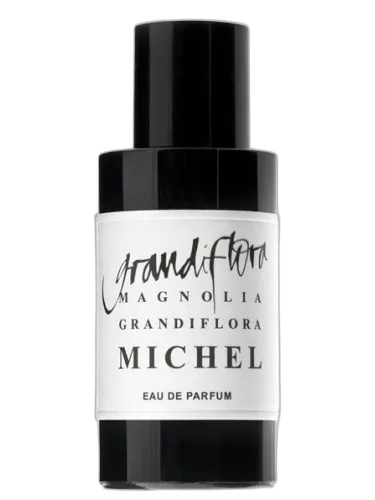
Grandiflora
Magnolia Grandiflora Michel Grandiflora
Shared top notes: jasmine, magnolia