
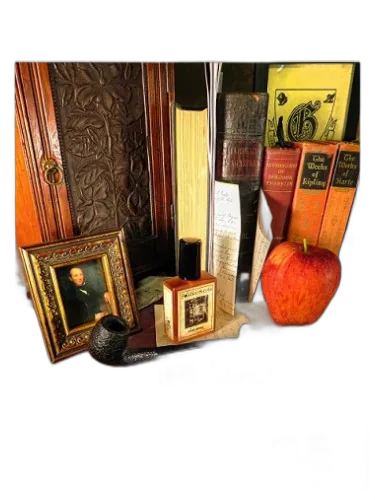

Headmaster Solstice Scents
At a glance
Is Headmaster Solstice Scents worth trying?
Headmaster by Solstice Scents is a Woody fragrance for women and men.
- Best match
- Evening wear in Fall
- Performance feel
- Very Good longevity with Moderate sillage
- Signature profile
- woody, fruity, sweet with Apple, Pear, Cedar
The first impression
Headmaster by Solstice Scents is a Woody fragrance for women and men. The nose behind this fragrance is Angela St.John. Top notes are Apple, Pear and Cedar; middle notes are Bourbon Whiskey, Oak, Caramel, Vanilla and Brown sugar; base notes are Tobacco, Oak, Apple Tree, Vanilla, Amber and Spices.
What shapes the scent
The perfumer behind it

Angela St.John
Angela St. John is the founder and creative force behind Solstice Scents, an independent perfume house known for its atmospheric and narrative-driven compositions. Her style blends natural and synthetic materials to evoke specific places, seasons, and moods, often with a dark, nostalgic, or gourmand bent. Notable creations from her catalog include the petrichor-laced After The Rain, the rich amber of Amber Coeur, and the woodland depth of Black Forest, each showcasing her talent for immersive storytelling through scent.
Notes pyramid
Top Notes
First impression · 15-30 min
 Apple
Apple
 Pear
Pear
 Cedar
Cedar
Heart Notes
Core character · 2-4 hours
 Bourbon Whiskey
 Oak
Oak
 Caramel
 Vanilla
 Brown sugar
Base Notes
Lasting impression · 4+ hours
 Tobacco
Oak
Tobacco
Oak
 Apple Tree
Vanilla
Apple Tree
Vanilla
 Amber
Amber
 Spices
The mood it creates
The Sage Archetype: Portrait of Headmaster Solstice Scents
Essence
The one who favors Headmaster Solstice Scents is, above all, a seeker of wisdom-a person drawn to the quiet authority of knowledge, the weight of tradition, and the subtle power of intellect. The fragrance itself-a blend of polished wood, leather-bound books, pipe tobacco, and a whisper of autumnal spice-evokes the atmosphere of an old study where time moves deliberately, where ideas are weighed rather than seized. This is the domain of the Sage, an archetype defined by introspection, discernment, and a deep reverence for understanding.
Yet the Sage is not merely a passive observer. They are a curator of meaning, one who sifts through the noise of the world to extract what is enduring. Their love for this scent suggests a soul that finds comfort in structure, in the measured cadence of thought, but also one that harbors a quiet intensity-a fire beneath the composed exterior.
Shadow
Their greatest strength is their clarity of mind. They see through illusions, dissect fallacies, and offer insights that cut to the heart of matters. In a world drowning in noise, they are a steadying presence, a voice that reminds others to think before they act.
But the shadow of the Sage is detachment. Their love of wisdom can become a retreat from life, a preference for theory over action. They may grow overly critical, impatient with those who do not meet their standards of intellect or rigor. There is a danger of becoming the "ivory tower" thinker-respected but distant, admired but not truly known.
At their worst, they may slip into cynicism, mistaking skepticism for wisdom, dismissing passion as naivety. They must remember that knowledge, if never applied, becomes a prison rather than a key.
Conclusion
Their tastes are deliberate, refined without being ostentatious. They prefer the weight of a well-bound book to the ephemeral glow of a screen, the richness of aged whiskey to the immediacy of cheap liquor. Their wardrobe leans toward timeless textures-wool, tweed, leather-garments that speak of endurance rather than fashion. They may collect fountain pens, first editions, or antique maps-objects that carry the weight of history, that demand to be handled with care.
Philosophically, they are drawn to systems of thought that prize depth over dogma. Stoicism, existentialism, or even esoteric traditions may appeal to them, not as rigid doctrines but as frameworks for navigating life’s complexities. They value precision in language, detesting careless speech, and often pause before answering, weighing their words like a jeweler assessing a gem.
In relationships, they are selective. They do not suffer fools gladly, yet those who earn their trust find a steadfast, if occasionally aloof, companion. Their love is expressed more through acts of service-recommending the perfect book, offering sage advice-than through effusive declarations. They may struggle with vulnerability, preferring the safety of intellect to the messiness of raw emotion.
Their lifestyle is one of quiet ritual. Mornings begin with black coffee and a few pages of philosophy; evenings may end with a pipe or a glass of something aged, accompanied by the soft crackle of a record. They are not reclusive, but they guard their solitude fiercely, knowing it is the crucible in which their best thoughts form.
If you like this, try these
Fragrances with a comparable profile - shared accords, notes, and character.

ARO-FAC Aroma Factory
Suger Candy Aro-fac Aroma Factory
Shared top notes: apple, pear
Otoori
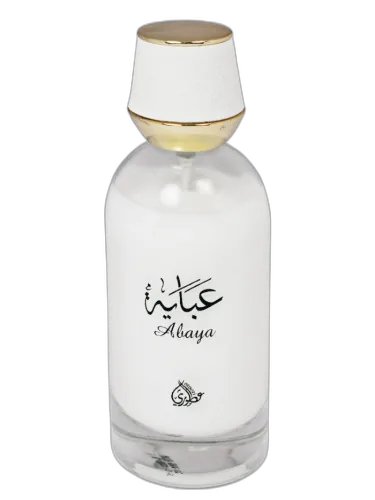
Abaya Otoori
Shared top notes: pear

Brocard
Le Secret Du Charme Brocard
Shared top notes: apple, pear

SugarBomb
Hush Lush Enchanted Sugarbomb
Shared top notes: apple, pear

Khalil T.
Kiss Khalil T.
Shared top notes: apple, pear