
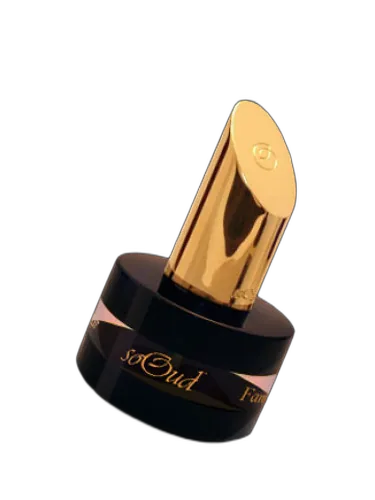

Fam Sooud
At a glance
Is Fam Sooud worth trying?
Fam by SoOud is a Woody Spicy fragrance for women and men.
- Best match
- Evening wear in Fall
- Performance feel
- Excellent longevity with Strong sillage
- Signature profile
- warm spicy, rose, woody with Rose, Agarwood (Oud), Vinyl
The first impression
Fam by SoOud is a Woody Spicy fragrance for women and men. Fam was launched in 2010. The nose behind this fragrance is Stéphane Humbert Lucas.
What shapes the scent
The perfumer behind it

Stéphane Humbert Lucas
Stéphane Humbert Lucas is a French perfumer and founder of the SoOud brand. He has created numerous fragrances for SoOud, including Aabir D'or, Al Jana, and Asmar, often featuring rich oriental and gourmand accords. For Nez a Nez, he composed Hiroshima Mon Amour, a poetic floral scent. His work is known for its depth and storytelling through scent.
Notes pyramid
All Notes
Complete scent profile
 Rose
Rose
 Agarwood (Oud)
 Vinyl
Vinyl
 Saffron
 Milk
Milk
 Paprika
 Powdery Notes
Cashmere Wood
Powdery Notes
Cashmere Wood
 Sandalwood
Virginia Cedar
Sandalwood
Virginia Cedar
 Musk
Musk
The mood it creates
The Mystic Archetype: Portrait of Fam Sooud
Essence
To wear Fam Sooud is to embrace an aura of enigmatic depth-an olfactory whisper of incense, oud, and something indefinably sacred. This is not a fragrance for the casual or the fleeting; it is for those who seek meaning beyond the surface, who are drawn to the interplay of shadow and light. The person who chooses this scent is most closely aligned with the Mystic archetype-a seeker of hidden truths, a wanderer between worlds, both grounded and transcendent.
Shadow
Yet every archetype casts a shadow. The Mystic’s depth can become a labyrinth, their wisdom a prison. They may withdraw too far, mistaking solitude for enlightenment, detachment for transcendence. Their search for the ineffable can make them impatient with the mundane-relationships may suffer as they chase an ideal that does not exist in human form.
Their introspection can curdle into self-absorption. At times, they mistake their own visions for universal truth, becoming dogmatic in their own way. The very intensity that draws people to them can also push them away-few can sustain the weight of their gaze for long.
And then there is the danger of escapism. The Mystic who flees the world too completely risks becoming a ghost, floating above life rather than engaging with it. The scent of oud, rich and sacred, can become a veil-hiding not just from others, but from themselves.
Conclusion
Their tastes are refined but never ostentatious. They prefer the weight of history in their hands-antique books, hand-carved wood, the slow burn of aged incense. Their style is understated elegance, favoring textures that tell a story: raw silk, aged leather, linen softened by time. They are drawn to art that lingers in the subconscious-symbolist paintings, Sufi poetry, the haunting melodies of classical Arabic or Byzantine chant.
Philosophy is not an abstract exercise for them; it is a lived experience. They question the nature of reality, the illusions of the ego, the unseen threads that bind existence. They may be drawn to esoteric traditions-Sufism, Zen, alchemy-but they are not dogmatic. Truth, to them, is a flame that flickers in many forms.
In relationships, they are magnetic but elusive. They crave deep, soulful connections but resist the trivialities of small talk. Their love is intense, almost devotional, yet they require solitude to replenish their spirit. They are the confidant who listens with uncanny insight, the lover who speaks in metaphors, the friend who disappears for weeks only to return with a revelation.
Their lifestyle is one of deliberate rhythm. They may live in a city but carve out a sanctuary-a dimly lit study, a rooftop garden, a corner where time slows. They rise early, savor silence, and move through the world with a quiet intensity. They are not ascetics, but they disdain excess; luxury, to them, is in the quality of experience, not the quantity of possessions.
If you like this, try these
Fragrances with a comparable profile - shared accords, notes, and character.
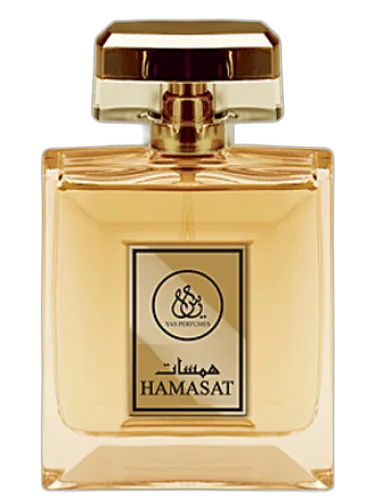
Yas Perfumes
Hamasat Yas Perfumes
Shared top notes: agarwood (oud), cashmere wood, milk

Compagnie Royale Des Indes Orientales
Santal Sacré Compagnie Royale Des Indes Orientales
Shared top notes: agarwood (oud), milk, musk

Montale
Aoud Lime Montale
Shared top notes: agarwood (oud), rose, saffron
Boadicea the Victorious
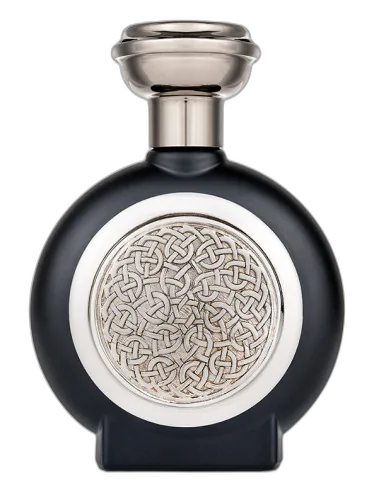
Nebulous Boadicea The Victorious
Shared top notes: rose, saffron

Montale
Attar Montale
Shared top notes: agarwood (oud), sandalwood