
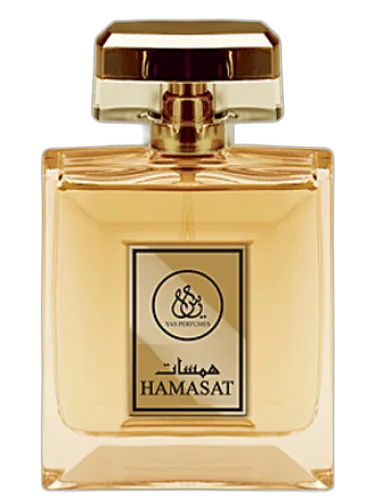
Hamasat Yas Perfumes
At a glance
Is Hamasat Yas Perfumes worth trying?
Hamasat by Yas Perfumes is a Oriental fragrance for women and men.
- Best match
- Evening wear in Fall
- Performance feel
- Very Good longevity with Moderate sillage
- Signature profile
- powdery, lactonic, warm spicy with Powdery Notes, Milk, Saffron
The first impression
Hamasat by Yas Perfumes is a Oriental fragrance for women and men. Hamasat was launched in 2015.
What shapes the scent
The perfumer behind it

Yas Perfumes
Yas Perfumes creates fragrances that blend Middle Eastern influences with contemporary appeal, as exemplified by Hamasat. The brand emphasizes rich, opulent accords while maintaining wearability. Their scents often feature bold florals and warm spices with a polished finish. Yas Perfumes caters to those who seek luxury with cultural depth.
Notes pyramid
All Notes
Complete scent profile
 Powdery Notes
 Milk
Milk
 Saffron
 Rose
Rose
 Resins
 Vinyl
Vinyl
 Agarwood (Oud)
 Sandalwood
 Musk
Musk
 Chili Pepper
Cashmere Wood
Chili Pepper
Cashmere Wood
 Cedar
Cedar
The mood it creates
The Lover Archetype: Portrait of Hamasat Yas Perfumes
Essence
The one who wears Hamasat Yas is not merely drawn to fragrance-they are drawn to the unseen, the whispered, the almost-forgotten. Their soul resonates with the Mystic, an archetype that seeks meaning beyond the tangible, finding beauty in the ephemeral and wisdom in silence. This is not the mystic of rigid dogma, but one who wanders the borderlands between reality and reverie, where scent becomes a bridge to memory, emotion, and the ineffable.
Relationships
They do not love lightly, nor do they love many. Their relationships are few but profound, built on unspoken understanding rather than effusive declarations. They are the confidant who listens more than they speak, the lover who communicates through touch and silence as much as words. Yet their depth can be isolating-some find them elusive, too wrapped in their own inner world to fully meet others in the present.
Their friendships are curated, not collected. They prefer the company of those who appreciate nuance, who can sit with ambiguity without demanding answers. But when trust is broken, they retreat like a shadow at noon, vanishing without explanation.
Shadow
The Mystic’s strength is also their weakness. Their enchantment with the intangible can become an escape from the demands of the real. They may grow so absorbed in their inner visions that they neglect practicalities-bills unpaid, appointments forgotten, relationships left to wither in the name of some higher contemplation.
At their worst, they slip into melancholy, mistaking solitude for wisdom and detachment for enlightenment. They may resent those who live more simply, dismissing them as shallow, while secretly envying their ease. Their introspection, if unchecked, can curdle into self-absorption, a labyrinth with no exit.
Conclusion
Their world is one of quiet intensity. They prefer the dim glow of candlelight to harsh fluorescents, the rustle of silk to the clamor of crowds. Their tastes are refined but never ostentatious-antique books with yellowed pages, handcrafted ceramics, the slow unfurling of jasmine at dusk. They are drawn to art that suggests rather than declares: hazy watercolors, Sufi poetry, the melancholy strains of oud music.
Philosophy, for them, is not an academic exercise but a lived experience. They may speak of Rumi’s longing or Schopenhauer’s veil of Maya, but their real wisdom comes from moments of stillness-watching steam rise from tea, tracing the arc of a moth around a lamp. They believe in the sacredness of small things, the way a single scent can unravel time and return them to a forgotten afternoon.
If you like this, try these
Fragrances with a comparable profile - shared accords, notes, and character.
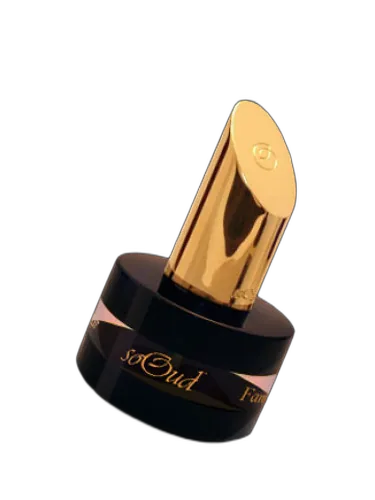
SoOud
Fam Sooud
Shared top notes: agarwood (oud), cashmere wood, milk
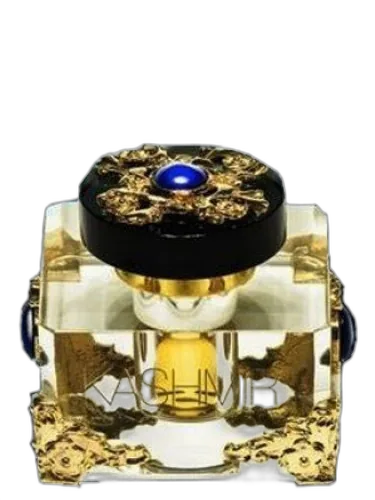
Arabesque
Kashmir Arabesque
Shared top notes: cashmere wood, musk, powdery notes
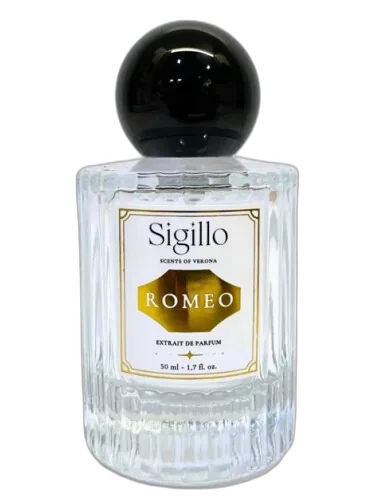
Scents of Verona by SIGILLO VERONA
Romeo Scents Of Verona By Sigillo Verona
Shared top notes: cedar, musk, sandalwood
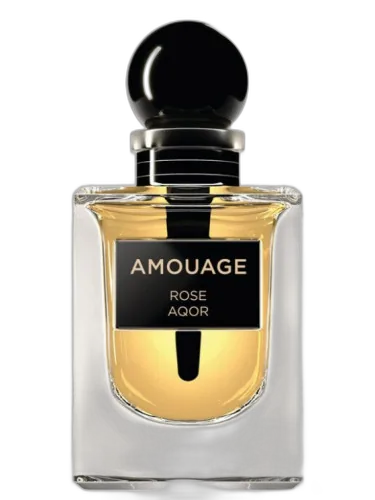
Amouage
Rose Aqor Amouage
Shared top notes: rose, sandalwood
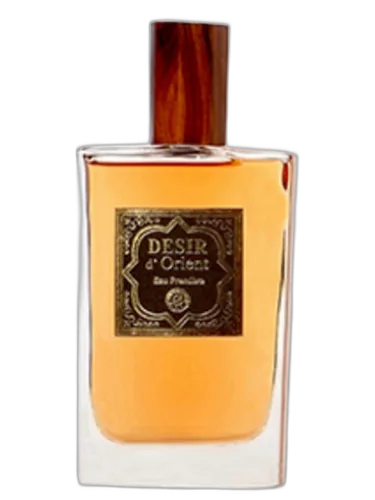
Les Parfums du Soleil
Desir D'orient Les Parfums Du Soleil
Shared top notes: agarwood (oud), cedar, musk