


Muscat Jasmine Tea Strangers Parfumerie
At a glance
Is Muscat Jasmine Tea Strangers Parfumerie worth trying?
Muscat Jasmine Tea by Strangers Parfumerie is a Floral Green fragrance for women and men.
- Best match
- Casual wear in Spring
- Performance feel
- Moderate longevity with Moderate sillage
- Signature profile
- green, fruity, fresh with Jasmine Tea, Green Grape, Nashi Pear
The first impression
Muscat Jasmine Tea by Strangers Parfumerie is a Floral Green fragrance for women and men. This is a new fragrance. Muscat Jasmine Tea was launched in 2024. The nose behind this fragrance is Prin Lomros.
What shapes the scent
The perfumer behind it

Prin Lomros
Prin Lomros is a Thai perfumer and founder of the Prin brand, recognized for bold, complex compositions that often blend natural and synthetic materials. Their portfolio includes works for Azman and Der Duft, as well as their own line featuring scents like Ahuizotl and Aran. Lomros is known for pushing boundaries with rich, animalic, and resinous accords.
Notes pyramid
All Notes
Complete scent profile
 Jasmine Tea
 Green Grape
 Nashi Pear
 Sorbet
 Ginkgo
 Black Tea
 Tea
Tea
 Lemon Zest
 Mint
Mandarin
Mint
Mandarin
 Lotus
Lotus
The mood it creates
The Lover Archetype: Portrait of Muscat Jasmine Tea Strangers Parfumerie
Essence
At the core of this person’s being lies the Sage, the seeker of truth through beauty, wisdom through sensation. The fragrance they adore-Muscat Jasmine Tea by Strangers Parfumerie-is no accident. It is an olfactory manifesto: delicate yet profound, ephemeral yet lingering, a blend of intellect and sensuality. The Sage does not merely consume; they discern. They do not chase trends but curate experiences, distilling life into moments of refined clarity.
Style & Aesthetic
Their wardrobe is a study in quiet elegance-linen, silk, muted tones with occasional bursts of deep jewel hues. They prefer garments that whisper rather than shout, favoring craftsmanship over logos. In their home, light filters through sheer curtains, casting soft shadows over well-worn books and carefully chosen ceramics.
Their taste in music leans toward minimalism-Debussy, Erik Satie, or modern ambient composers. They savor bitter greens, rare teas, and dark chocolate, finding pleasure in the interplay of flavors rather than mere sweetness. Literature? Borges, Woolf, Pessoa-writers who dissolve the boundaries between thought and sensation.
But their discernment can tip into fastidiousness. They may reject something for being almost perfect, dismissing the near-great in favor of the unattainable ideal.
Mornings are sacred-a ritual of tea, journaling, and deliberate stillness. They move through the world with a measured pace, resisting the frenzy of modern life. Travel is not about ticking off landmarks but absorbing atmospheres-a Kyoto teahouse at dawn, a Lisbon bookstore at dusk.
But this deliberate existence has its costs. They may over-intellectualize pleasure, turning even relaxation into a curated performance. Their aversion to chaos can make them brittle in the face of unpredictability.
Philosophy & Values
To them, existence is an art form. They believe in the aesthetics of living, where every choice-from the books they read to the tea they steep-is an act of self-definition. Their philosophy is neither hedonistic nor ascetic but harmonious, seeking equilibrium between indulgence and restraint. They value knowledge, but not for its own sake-only as it deepens their appreciation of beauty. Truth, to them, is not found in dogma but in the subtle interplay of scent, sound, and silence.
Yet, this devotion to refinement has its shadow. They can become disdainful of the mundane, impatient with those who do not share their exacting standards. Their pursuit of the exquisite may blind them to the raw, unpolished beauty of ordinary life.
Relationships
They are not a gregarious soul but a magnetic one, drawing people in with their quiet intensity. Their friendships are few but deep, built on shared intellectual and sensory passions. Romantic partners must understand that love, to them, is as much about shared silence as shared words-a glance exchanged over a cup of perfectly brewed tea can be as meaningful as a declaration.
Yet, their selectivity can become isolation. They may withdraw from those who do not meet their standards, mistaking solitude for superiority. Their fear of the vulgar can make them emotionally distant, even as they long for connection.
Shadow
When unbalanced, the Sage becomes the Elitist Recluse-a figure who mistakes taste for virtue, refinement for moral superiority. They may grow contemptuous of simplicity, dismissing what they do not understand as crude. Their love of beauty, once a source of joy, hardens into dogma.
Yet, if they embrace humility-if they learn that wisdom is not just in the rare and exquisite but in the ordinary and fleeting-they transcend their own limitations. The true Sage knows that perfection is not the absence of flaws but the harmony of contradictions.
In the end, the lover of Muscat Jasmine Tea is neither purely intellectual nor purely sensual. They are the rare soul who understands that to live deeply is to dwell in the space between thought and feeling, where every breath carries the weight of meaning.
If you like this, try these
Fragrances with a comparable profile - shared accords, notes, and character.

Place des Lices
Pivoine Place Des Lices
Shared top notes: mint

Mary Kay
Private Spa Collection - Embrace Happiness Mary Kay
Shared top notes: tea
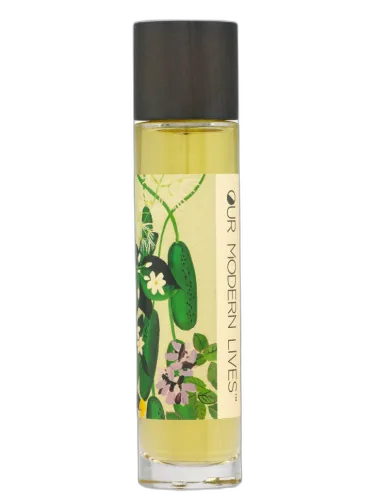
Our Modern Lives
Green Our Modern Lives
Shared top notes: jasmine tea, mint

PerfumeBox
Melancholy Love Perfumebox
Shared top notes: lotus
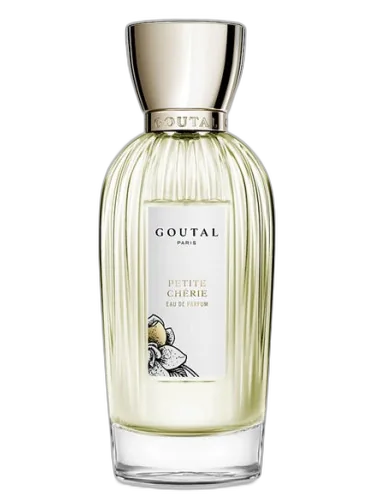
Goutal
Petite Cherie Goutal
Shared accords: aquatic, floral, fresh