
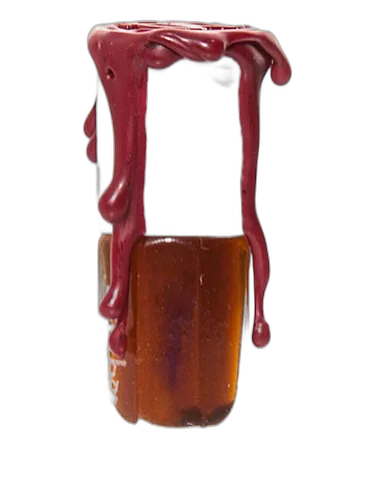

Juriah Sultan Pasha Attars
At a glance
Is Juriah Sultan Pasha Attars worth trying?
Juriah by Sultan Pasha Attars is a Oriental Floral fragrance for women and men.
- Best match
- Evening wear in Fall
- Performance feel
- Excellent longevity with Strong sillage
- Signature profile
- rose, amber, floral with Taif Rose, Rose Oil, Turkish Rose
The first impression
Juriah by Sultan Pasha Attars is a Oriental Floral fragrance for women and men. Juriah was launched in 2019. The nose behind this fragrance is Sultan Pasha. Top notes are Taif Rose, Rose Oil and Turkish Rose; middle notes are May Rose, Damask Rose, Cambodian Oud, Osmanthus and Chrysanthemum; base notes are Indian Oud, Amber, Mimosa, Siam Benzoin, Chrysanthemum, Musk and Ambergris.
What shapes the scent
The perfumer behind it

Sultan Pasha
Sultan Pasha is a British perfumer known for his luxurious attars and complex ambergris-based compositions. His work often features rich, animalic notes and rare natural ingredients, drawing on traditional Middle Eastern perfumery techniques. The Coronation Ambergris series showcases his mastery of ambergris in varied interpretations, while his Al Hareem and Al Lail attars explore opulent floral and resinous blends.
Notes pyramid
Top Notes
First impression · 15-30 min
 Taif Rose
 Rose Oil
Turkish Rose
Rose Oil
Turkish Rose
Heart Notes
Core character · 2-4 hours
May Rose
Damask Rose
 Cambodian Oud
 Osmanthus
 Chrysanthemum
Base Notes
Lasting impression · 4+ hours
 Indian Oud
 Amber
Amber
 Mimosa
Siam Benzoin
Chrysanthemum
Mimosa
Siam Benzoin
Chrysanthemum
 Musk
Musk
 Ambergris
The mood it creates
The Alchemist Archetype: Portrait of Juriah Sultan Pasha Attars
Essence
To wear Juriah Sultan Pasha Attars is to commune with the unseen, to dissolve the boundaries between past and present, earth and spirit. This is not a fragrance for those who seek mere adornment; it is an olfactory invocation, a distillation of history, mysticism, and sensuality. The person who chooses these attars is not merely a wearer of scents but a seeker of essences-an Alchemist in the Jungian sense, one who transforms the raw into the refined, the mundane into the sacred.
The Alchemist is defined by their relentless pursuit of depth, their belief that beneath the surface of things lies a hidden truth waiting to be uncovered. They are drawn to the rare, the complex, the enigmatic-qualities embodied in Sultan Pasha’s creations, which weave together oud, rose, spices, and resins into symphonies of scent.
This person moves through life with a quiet intensity, observing where others merely glance, contemplating where others dismiss. Their tastes are refined but never ostentatious; they prefer the weight of a well-bound book to the glare of a screen, the texture of handcrafted fabrics to mass-produced fashion. Their home is a sanctuary of curated objects-antique incense burners, leather-bound journals, perhaps a collection of stones or dried botanicals. They do not decorate for show, but for resonance.
Philosophy & Values
For the Alchemist, existence is a puzzle to be solved, a riddle whispered in symbols. They may be drawn to esoteric traditions-Sufism, alchemy, Kabbalah-or simply possess an innate sense that reality is more porous than it appears. Their spirituality is not dogmatic but experiential; they seek the divine in the flicker of candlelight, the first breath of dawn, the lingering trail of oud on skin.
They value wisdom over knowledge, intuition over logic. While others chase certainty, they are content with mystery, finding beauty in the unresolved. This can make them profound companions, capable of seeing beyond the masks people wear. Yet it can also isolate them, for few share their willingness to dwell in ambiguity.
Relationships
In love and friendship, the Alchemist is magnetic but elusive. They attract those who long for depth, yet they themselves are slow to trust. Their relationships are layered, like the attars they wear-intense at first, then unfolding in unexpected ways over time. They do not give themselves lightly, but when they do, it is with a loyalty that borders on devotion.
Yet their shadow emerges here: a tendency toward hermeticism, a retreat into their inner world when reality proves too coarse. They may idealize love, searching for a connection that mirrors the transcendent beauty of their scents, only to grow disillusioned when human frailty intrudes. Their partners may feel they are loved more as an idea than as a person, a mirror for the Alchemist’s own longing rather than a fully separate being.
Shadow
The Alchemist’s greatest strength-their relentless search for meaning-can become their undoing. In their quest for the sublime, they may disdain the ordinary, dismissing the mundane joys of life as beneath them. They risk becoming disembodied, so lost in the realm of ideas that they forget to live.
There is also the danger of obsession. Just as they lose themselves in the labyrinth of scent, they may fixate on an unattainable ideal-a perfect love, an ultimate truth-and in doing so, miss the imperfect but real beauty before them. Their introspective nature can curdle into solipsism, where the outer world fades into irrelevance.
Conclusion
The Alchemist does not merely wear fragrance; they inhabit it. Their life is an ongoing experiment in refinement, a slow distillation of experience into wisdom. They are the quiet scholar in the corner of the café, the traveler who returns with stories not of landmarks but of textures and smells, the lover who remembers not words but the way the light fell on their partner’s face at a particular moment.
They are not without flaws-their intensity can burn too brightly, their idealism can blind them-but they are never trivial. To know them is to be invited into a world where every sensation holds meaning, where the ordinary is alchemized into gold. And in the end, perhaps that is their greatest gift: the reminder that magic is not lost, only hidden, waiting for those who know how to look.
If you like this, try these
Fragrances with a comparable profile - shared accords, notes, and character.
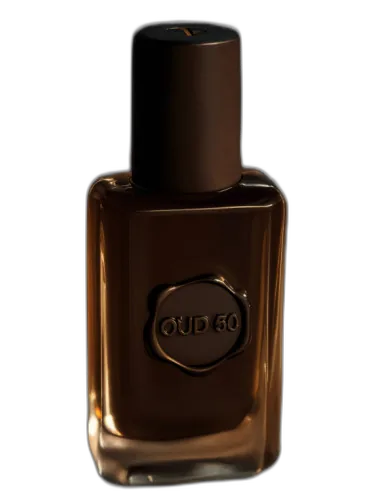
Strings of Errors
Oud 50 Strings Of Errors
Shared top notes: taif rose, turkish rose
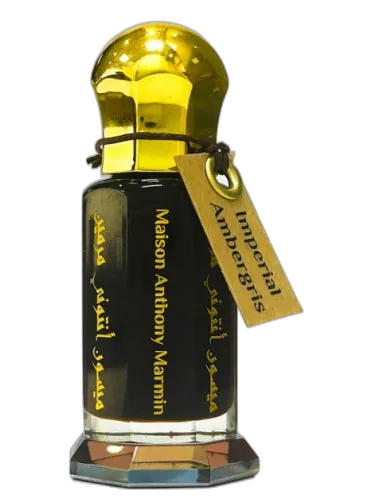
Maison Anthony Marmin
Imperial Ambergris Maison Anthony Marmin
Shared top notes: taif rose
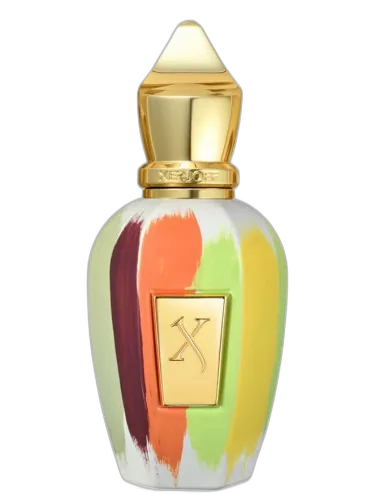
Xerjoff
Coexistence Xerjoff
Shared heart notes: damask rose, osmanthus
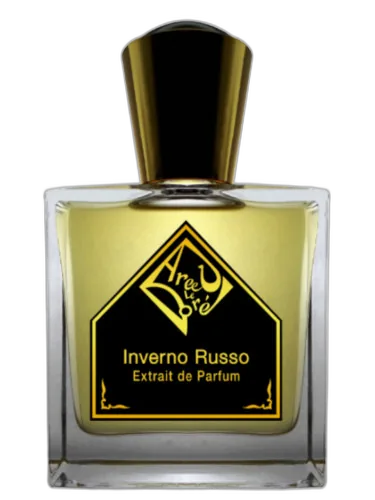
Areej Le Doré
Inverno Russo Areej Le Doré
Shared top notes: rose oil
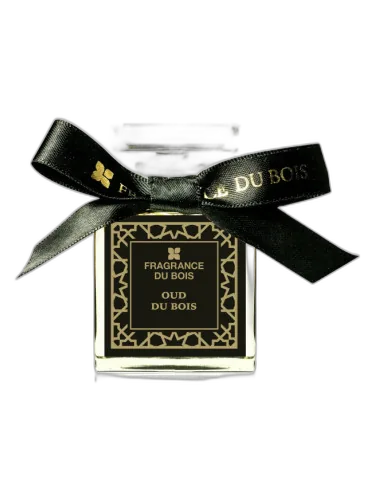
Fragrance Du Bois
Oud Du Bois Fragrance Du Bois
Shared heart notes: cambodian oud