
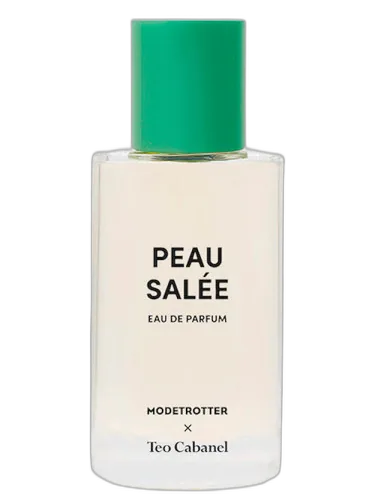

Peau Salée Teo Cabanel
Fragrance Story
Peau Salée by Teo Cabanel is a Floral fragrance for women and men. This is a new fragrance. Peau Salée was launched in 2022. Top notes are Salt and Coconut Water; middle notes are Frangipani and Jasmine; base notes are Mineral notes, Driftwood and Tonka Bean.
Composition Profile
About the Perfumer

Fragrance Notes
Top Notes
First impression · 15-30 min
 Salt
Salt
 Coconut Water
Heart Notes
Core character · 2-4 hours
 Frangipani
 Jasmine
Base Notes
Lasting impression · 4+ hours
 Mineral notes
 Driftwood
 Tonka Bean
Peau Salée Teo Cabanel by Teo Cabanel offers a distinctive olfactory experience that stands out from other fragrances in its category.
Crafted with the finest ingredients and a blend of traditional and modern perfumery techniques, this fragrance represents the pinnacle of the perfumer's art.
Peau Salée Teo Cabanel embodies the distinctive style of Teo Cabanel while adding a unique chapter to their fragrance portfolio.
Character Profile
The Wanderer Archetype: Portrait of Peau Salée Teo Cabanel
Essence
The person who cherishes Peau Salée Teo Cabanel is, at their core, an Explorer-a seeker of uncharted sensations, a lover of liminal spaces where land meets water, where the known dissolves into the unknown. This fragrance, with its saline warmth, sun-baked skin, and driftwood whispers, is not merely a scent but an emblem of their restless spirit. The Explorer thrives on movement, on the tension between freedom and longing, between the ephemeral and the eternal. They are not content with static identities; they are a work in progress, shaped by the winds of experience.
Style & Aesthetic
Their tastes are an ode to the transient-rough linen shirts that soften with salt and sun, leather-bound journals filled with half-formed thoughts, the kind of art that captures a fleeting moment rather than grand permanence. They prefer raw, unpolished beauty: a weathered pier, the scent of iodine on seaweed, the way light fractures on waves at dusk. Their home, if they stay in one place long enough, is a curated collection of driftwood, maps, and well-worn books-each object a relic of a journey, not a trophy of possession.
Music for them is the hum of tides, the distant cry of gulls, or perhaps the melancholic strum of a lone guitar by a campfire. They are drawn to artists who evoke movement-Nick Drake’s wandering chords, Patti Smith’s untamed lyricism, the oceanic swell of Debussy’s La Mer.
Philosophy & Values
They live by a simple creed: to be bound is to suffocate. Their philosophy is not one of rebellion for its own sake, but of quiet resistance against the mundane. They distrust rigid ideologies, preferring instead the fluid wisdom of experience. For them, truth is not found in dogma but in the salt-stung lips of a lover, in the ache of muscles after a long swim, in the silence of an empty beach at dawn.
Yet this freedom comes at a cost. Their refusal to be anchored can make them seem elusive, even to those who love them. They do not lie, but they omit-the unspoken departure, the unannounced return. Their relationships are often marked by a bittersweet temporality, as if they are always preparing for the next leaving.
Relationships
They love deeply, but in waves-intense and all-consuming, then receding just as swiftly. Their partners are often those who understand the language of absence, who do not mistake distance for indifference. They are drawn to fellow wanderers, but also to those who offer a hearth to return to-though they may never admit how much they need it.
Their friendships are built on shared moments rather than obligations. A postcard from a distant coast, a late-night conversation under stars, a spontaneous road trip-these are their bonds. But those who demand constancy will find them frustrating, for the Explorer’s loyalty is to the horizon before it is to any person.
Shadow
Beneath their sunlit independence lurks a quieter, more troubling truth: they are afraid of stillness. The very freedom they prize can become a cage of its own, an endless flight from the vulnerability of staying. They may mistake motion for growth, mistaking new shores for new selves.
At their worst, they become the Exile-not by circumstance, but by choice, forever searching for a home they refuse to build. Their avoidance of commitment can harden into emotional detachment, leaving behind a trail of half-finished loves and abandoned projects. The salt they adore, which once symbolized vitality, can become the sting of regret.
Conclusion
Yet when they embrace both their restlessness and their need for connection, they embody something rare: a soul who knows how to leave, but also how to return. Their life is not a straight path, but a spiral-each journey outward also a journey inward.
Peau Salée is their scent because it is neither purely oceanic nor wholly human-it is the space between. And so are they.
Similar Fragrances
Fragrances with a comparable profile - shared accords, notes, and character.

Plantage
Wondersteppe Plantage
Shared accords: floral, marine, salty

Michael Kors
Wonderlust Eau De Voyage Michael Kors
Shared accords: floral, marine, salty

Chris Collins
Lost In Paradise Chris Collins
Shared accords: marine, salty, woody
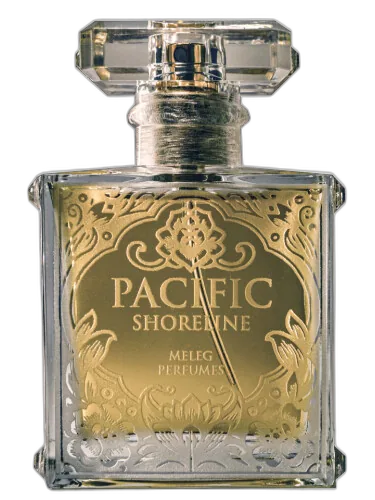
Meleg Perfumes
Pacific Shoreline Meleg Perfumes
Shared accords: marine, mineral, salty

4160 Tuesdays
Salt Rose 4160 Tuesdays
Shared accords: floral, marine, mineral