
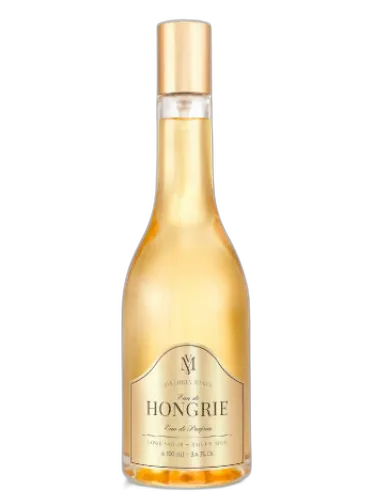

Eau De Hongrie Viktoria Minya
At a glance
Is Eau De Hongrie Viktoria Minya worth trying?
Eau de Hongrie by Viktoria Minya is a Oriental Vanilla fragrance for women and men.
- Best match
- Evening wear in Fall
- Performance feel
- Very Good longevity with Moderate sillage
- Signature profile
- sweet, honey, warm spicy with Honey, Tokaji Wine, Jasmine
The first impression
Eau de Hongrie by Viktoria Minya is a Oriental Vanilla fragrance for women and men. Eau de Hongrie was launched in 2014. The nose behind this fragrance is Viktoria Minya.
What shapes the scent
The perfumer behind it

Viktoria Minya
Viktoria Minya is a Hungarian perfumer known for her Hedonist line and Eau de Hongrie. Her fragrances often explore floral and gourmand themes with a refined sensibility. The catalog includes her Hedonist Cassis, Iris, and Rose Absolute, as well as the Premier Eau De Tihany. Minya's work balances classic elegance with modern touches.
Notes pyramid
All Notes
Complete scent profile
 Honey
Honey
 Tokaji Wine
 Jasmine
 Immortelle
 Tonka Bean
 Clove
Clove
 Sandalwood
 Musk
Musk
 Grapefruit
 Lemon
Lemon
 Labdanum
The mood it creates
The Lover Archetype: Portrait of Eau De Hongrie Viktoria Minya
Essence
This person is most closely defined by the Alchemist archetype-a seeker of transformation, beauty, and hidden depths. Like the fragrance itself, which blends citrus, rose, and smoky vetiver into something both luminous and mysterious, they are drawn to the interplay of light and shadow. They do not merely experience life; they refine it, distilling moments into something richer, more intoxicating.
Relationships
They do not love carelessly. Their relationships are deep, slow-burning, built on shared aesthetic and intellectual passions. They are not possessive, but they are selective-friendships must have texture, conversations must have weight. Romance, for them, is a dance of revelation and restraint. They are drawn to those who understand silence as much as speech, who know that the most profound connections are often wordless.
Yet, their intensity can be overwhelming. They expect others to match their depth, and when they don’t, disappointment sets in. They may withdraw, retreating into solitude rather than settling for the superficial.
Shadow
The Alchemist’s greatest strength-their relentless pursuit of refinement-is also their flaw. They risk becoming prisoners of their own standards, so attuned to the sublime that ordinary joys feel inadequate. Their quest for the perfect moment can make them miss the present one.
There is also a hidden arrogance in their discernment. They may dismiss what is simple or unadorned, mistaking rawness for crudeness. Their love of beauty can tip into decadence, where sensation replaces meaning. And when life refuses to conform to their vision, they may grow bitter, as though the world has betrayed them by being mundane.
Conclusion
Their tastes are deliberate, almost ceremonial. They do not consume; they savor. A sip of wine is not just a drink but an exploration of terroir and time. Their home is a sanctuary of textures-velvet, aged leather, polished wood-each object chosen for its ability to evoke feeling. They wear clothes that drape rather than constrain, favoring fabrics that whisper against the skin.
Philosophically, they believe in the sacredness of pleasure, not as indulgence but as a form of wisdom. To them, beauty is not frivolous-it is a discipline, a way of shaping the world into something worth inhabiting. They are drawn to art that lingers in ambiguity: a Caravaggio painting, a Rilke poem, a Satie composition. They prefer the unresolved, the tension between clarity and mystery.
If you like this, try these
Fragrances with a comparable profile - shared accords, notes, and character.
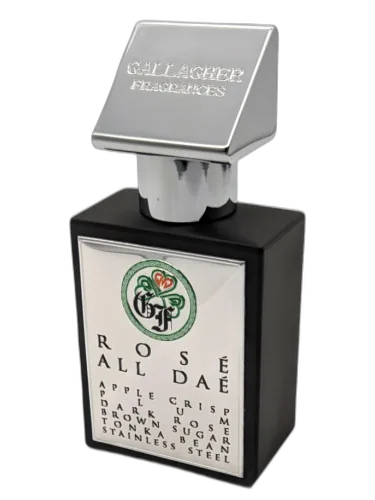
Gallagher Fragrances
Rosé All Daé Gallagher Fragrances
Shared top notes: honey, labdanum, tonka bean
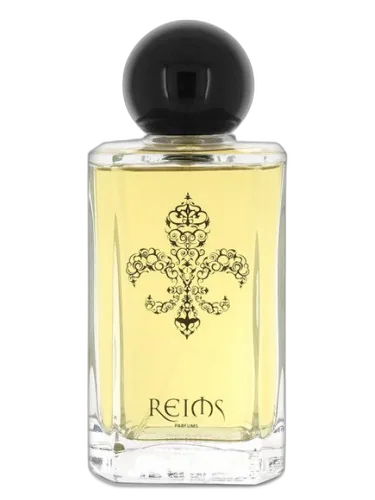
Reims
L'eau Des Sacres Reims
Shared top notes: honey, sandalwood, tonka bean
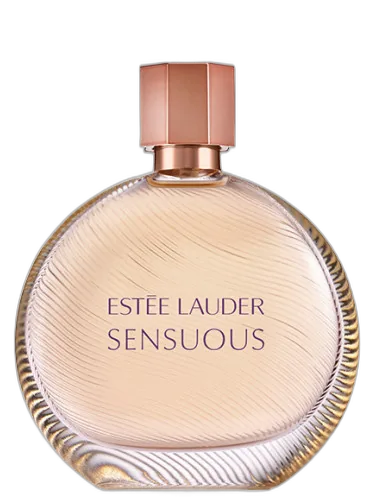
Estée Lauder
Sensuous Estée Lauder
Shared top notes: jasmine

Black Phoenix Alchemy Lab
Defututa Black Phoenix Alchemy Lab
Shared top notes: honey, jasmine, sandalwood
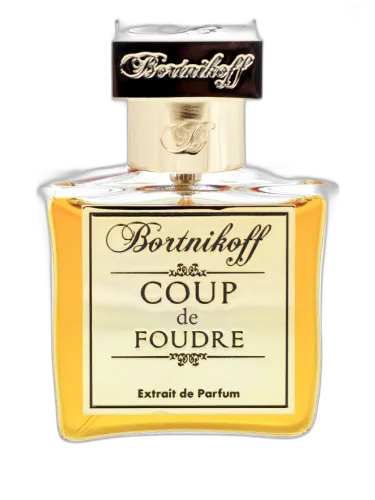
Bortnikoff
Coup De Foudre Bortnikoff
Shared top notes: grapefruit, jasmine, lemon