


Xj 1861 Decas Xerjoff
At a glance
Is Xj 1861 Decas Xerjoff worth trying?
XJ 1861 Decas by Xerjoff is a Oriental Floral fragrance for women and men.
- Best match
- Evening, Special Occasion wear in Fall, Winter
- Performance feel
- Very Good longevity with Strong sillage
- Signature profile
- amber, citrus, vanilla with Calabrian Mandarin, Tuberose, Tobacco
The first impression
XJ 1861 Decas by Xerjoff is a Oriental Floral fragrance for women and men. XJ 1861 Decas was launched in 2021. The nose behind this fragrance is Chris Maurice. Top notes are Calabrian Mandarin, Tuberose and Tobacco; middle notes are Benzoin, Opoponax and Italian Orris Root; base notes are Resin, Bourbon Vanilla and Musk.
What shapes the scent
The perfumer behind it

Chris Maurice
Chris Maurice is a perfumer with a wide-ranging portfolio that includes work for Aqualis, Artal Perfumes, Assaf, Astrophil & Stella, Azman, and Bey Parfum. His creations include Egoli, Forbidden Rose, Darley, Love Is Lost, Moonage Daydream, Riad Jasmine, Song For A Wanderer, and Abyssoria. His style varies from floral and romantic to dark and mysterious.
Notes pyramid
Top Notes
First impression · 15-30 min
Calabrian Mandarin
 Tuberose
 Tobacco
Heart Notes
Core character · 2-4 hours
 Benzoin
 Opoponax
Italian Orris Root
Opoponax
Italian Orris Root
Base Notes
Lasting impression · 4+ hours
Resin
Bourbon Vanilla
 Musk
Musk
The mood it creates
The Alchemist Archetype: Portrait of Xj 1861 Decas Xerjoff
Essence
This person is an Alchemist-a seeker of refinement, transformation, and hidden meaning. Like the fragrance they favor, which blends citrus, spices, and woods into something greater than the sum of its parts, they are drawn to the process of transmuting raw experience into something rare and exquisite. They do not merely consume beauty; they dissect it, understand it, and elevate it.
XJ 1861 Decas Xerjoff is not a scent for the passive. It is complex, bold, and layered-much like the mind of the one who wears it. The Alchemist is not content with superficial pleasures; they crave depth, nuance, and the thrill of discovery. They are the kind of person who reads philosophy not to impress others, but because they genuinely hunger for wisdom.
Relationships
The Alchemist does not collect friends; they cultivate them. Their inner circle is small but fiercely loyal, bound by shared intellectual curiosity and mutual respect for authenticity. They despise small talk, preferring conversations that spiral into the existential or the obscure. A first date with them might involve a debate about Nietzsche’s Übermensch rather than casual chatter about the weather.
Romantically, they are drawn to those who challenge them-partners who are equally self-possessed, equally unwilling to settle for mediocrity. Yet, their standards can be impossibly high. They may discard potential relationships not out of cruelty, but because they refuse to compromise their vision of what love should be.
Shadow
For all their brilliance, the Alchemist is not without flaws. Their relentless pursuit of refinement can tip into elitism, an unconscious disdain for those who do not share their exacting tastes. They may dismiss a well-meaning gift as "common" or grow impatient with those who prefer simplicity over complexity.
Worse still, their obsession with transformation can lead to existential restlessness. No achievement ever feels complete; no moment is ever perfect enough. They may burn through careers, relationships, or even personal identities in their quest for the next evolution of self. The irony is that in seeking alchemical gold, they sometimes forget how to appreciate the base metals of ordinary life.
The Alchemist is neither saint nor cynic-they are a work in progress, always distilling, always refining. Their greatest strength is their ability to see potential where others see only raw material. Their greatest weakness is the fear that they, too, are merely raw material, never quite reaching their own ideal.
Yet, when they pause-when they allow themselves to simply be-they realize that the true alchemy was never in the destination, but in the act of seeking itself. And in those rare moments of stillness, the scent of XJ 1861 Decas Xerjoff lingers, not as a trophy, but as a reminder: beauty is not found, it is made.
Conclusion
Their tastes are deliberate, almost ritualistic. They prefer the weight of a well-bound book over digital text, the richness of aged whiskey over casual beer, and the texture of handcrafted fabrics over mass-produced fashion. Their wardrobe is a curated archive of timeless pieces-tailored coats, leather gloves, perhaps a vintage watch-each item chosen not for trend but for enduring quality.
Their philosophy is one of intentional living. They believe that life is an experiment, and they are both the scientist and the subject. They may meditate on Stoic principles in the morning, indulge in Baudelaire’s poetry at night, and debate the merits of modernist architecture over dinner. To them, existence is a canvas, and they are determined to paint it with precision.
If you like this, try these
Fragrances with a comparable profile - shared accords, notes, and character.
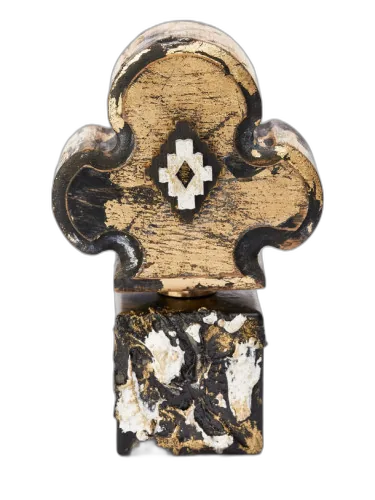
Adi Ale Van
Diamonitirion - Elixir Atonit Adi Ale Van
Shared heart notes: opoponax
Jehanne Rigaud Parfums
Vanille Blonde Jehanne Rigaud Parfums
Shared heart notes: benzoin
Laboratorio Olfattivo
Vanagloria Laboratorio Olfattivo
Shared base notes: bourbon vanilla, musk
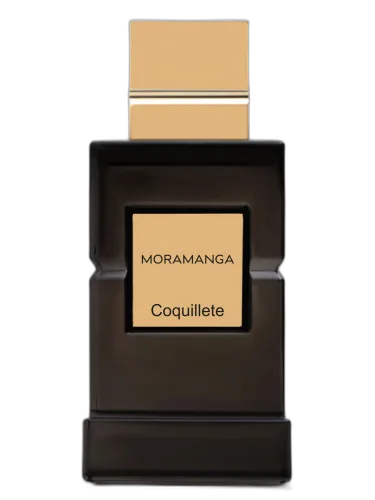
Coquillete
Moramanga Coquillete
Shared heart notes: benzoin, opoponax

Dzintars
Kontakts Dzintars
Shared heart notes: benzoin, opoponax