
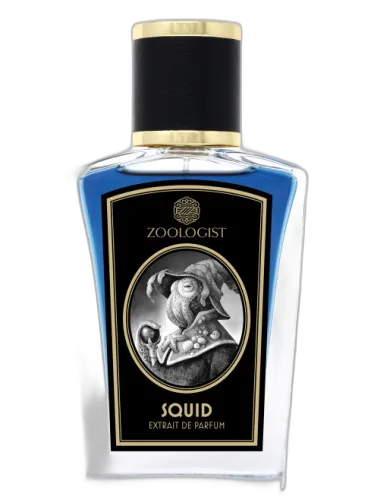

Squid Zoologist Perfumes
At a glance
Is Squid Zoologist Perfumes worth trying?
Squid by Zoologist Perfumes is a Aromatic Aquatic fragrance for women and men.
- Best match
- Evening wear in Fall, Winter
- Performance feel
- Good longevity with Strong sillage
- Signature profile
- amber, balsamic, aromatic with Incense, Amyl Salicylate, Pink Pepper
The first impression
Squid by Zoologist Perfumes is a Aromatic Aquatic fragrance for women and men. Squid was launched in 2019. The nose behind this fragrance is Celine Barel. Top notes are Incense, Amyl Salicylate and Pink Pepper; middle notes are Ink, Sea Salt and Opoponax; base notes are Ambergris, Benzoin and Musk.
What shapes the scent
The perfumer behind it

Celine Barel
Celine Barel is a French perfumer known for her work with brands like 4711, Abercrombie & Fitch, and Aesop. Her creations include the vibrant 4711 Remix Electric Night and the fresh Tacit for Aesop. She has also crafted scents for Andrea Maack, Avon, and Blumarine, showcasing a versatile style that spans from crisp colognes to bold florals.
Notes pyramid
Top Notes
First impression · 15-30 min
 Incense
 Amyl Salicylate
 Pink Pepper
Heart Notes
Core character · 2-4 hours
 Ink
Ink
 Sea Salt
 Opoponax
Base Notes
Lasting impression · 4+ hours
 Ambergris
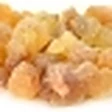 Benzoin
 Musk
Musk
The mood it creates
The Lover Archetype: Portrait of Squid Zoologist Perfumes
Essence
This is a person who does not merely wear a fragrance-they inhabit it. Squid by Zoologist Perfumes is not a scent for the faint of heart; it is ink-dark, saline, mysterious, evoking the crushing depths of the ocean and the alien beauty of its unseen creatures. The one who chooses it is not content with the surface of things. They are, at their core, the Seeker-an archetype driven by the need to explore the unknown, to dissolve boundaries, to merge with the vast and the strange.
The Seeker is not satisfied with conventional pleasures or well-trodden paths. They are drawn to the liminal, the ambiguous, the places where light and shadow blur. Squid-with its interplay of salt, ink, and amber-mirrors their soul: a paradox of darkness and warmth, of isolation and depth.
Style & Aesthetic
Their appearance is an extension of their inner world-never overtly theatrical, but always with an edge of the uncanny. They favor textures that suggest depth: worn leather, heavy wool, fabrics that seem to hold shadows. Their palette leans toward the oceanic-deep blues, blacks, muted grays-but never without a hint of warmth, like the amber lurking beneath Squid’s ink.
They are drawn to art that disturbs as much as it enchants: the films of David Lynch, the writings of H.P. Lovecraft, the music of Bohren & der Club of Gore. Their taste is not about shock, but about resonance-they seek works that mirror their own complexity.
They are not bound by convention. Their home might be filled with curiosities-old maps, fossils, jars of strange specimens-a physical manifestation of their inner world. They may work in creative fields, academia, or anything that allows them to dive deep without constraints.
They thrive in solitude but are not antisocial. They simply prefer the company of fellow seekers-those who understand that silence can be richer than small talk. Yet their independence can tip into self-imposed exile, a refusal to engage with the mundane world even when necessary.
Philosophy & Values
To them, life is not about answers but about questions that pull them deeper. They reject the superficial, the easily categorized. Their philosophy is one of radical curiosity-not in the sense of idle fascination, but as a form of devotion. They believe truth is found in the margins, in the spaces others avoid.
They value authenticity above all else, but not in the clichéd sense of "being oneself." For them, authenticity is a continual unmasking, a willingness to descend into the abyss of their own psyche and return with something raw and untamed. They distrust dogma, whether spiritual, intellectual, or aesthetic. Their morality is fluid, shaped by experience rather than rules.
Yet this very fluidity can become their shadow. Their relentless pursuit of the unknown may lead them to alienation, a sense of being perpetually out of place. They may struggle with commitment, fearing that any fixed identity is a cage.
Relationships
They crave connection, but on their own terms-ones that allow for mystery. They are not the type to share every thought, but when they do speak, their words carry weight. Their love is intense but elusive, like trying to hold seawater in your hands.
They attract those who are equally comfortable with ambiguity, who do not demand explanations or neat resolutions. But this can also be their downfall: their partners may feel like they are chasing a phantom, never quite able to grasp them fully. Their shadow here is emotional withdrawal, a fear of being truly known.
Shadow
The Seeker’s greatest strength-their hunger for the unknown-can become their curse. When taken to extremes, their quest for depth may lead to existential paralysis, a sense that nothing is ever enough. They may romanticize melancholy, mistaking it for wisdom.
Their avoidance of the ordinary can make them disconnected, unable to appreciate simple joys. They may disdain those who live on the surface, forgetting that even the deepest ocean must meet the shore.
Conclusion
To love Squid is to embrace the unseen, to find beauty in what others fear. The Seeker who wears it is both poet and wanderer, drawn to the edges of experience. They are not afraid of darkness-but they must remember that light, too, has its depths.
Their journey is not about finding answers, but about learning to dwell in the questions. And perhaps, in the end, that is the most profound truth of all.
If you like this, try these
Fragrances with a comparable profile - shared accords, notes, and character.
Aurora Borealis
Северное Лето — Northern Summer Aurora Borealis
Shared top notes: incense, pink pepper
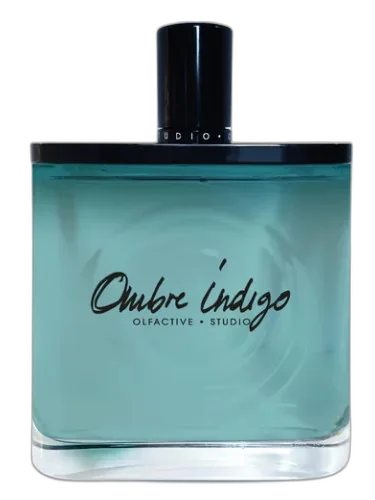
Olfactive Studio
Ombre Indigo Olfactive Studio
Shared base notes: ambergris, benzoin, musk
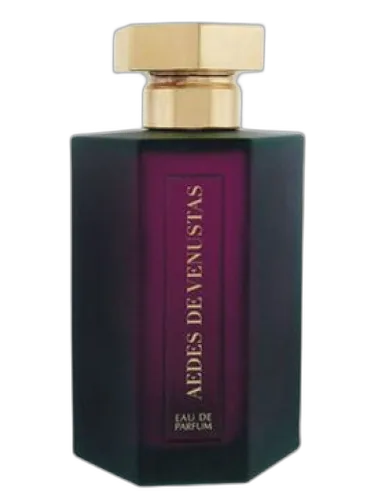
L'Artisan Parfumeur
Aedes De Venustas L'artisan Parfumeur
Shared top notes: incense, pink pepper
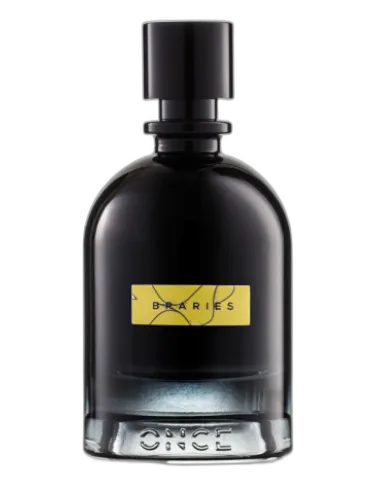
Once
Braries Once
Shared top notes: pink pepper
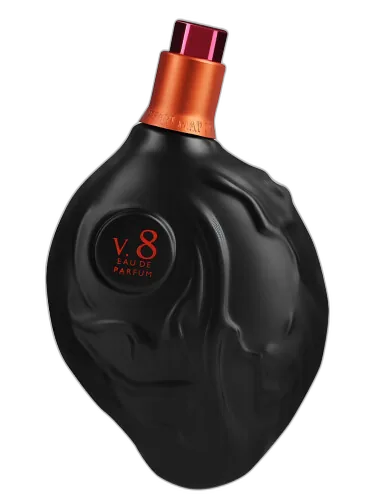
Map Of The Heart
Abundance V.8 Map Of The Heart
Shared top notes: incense, pink pepper