


Очарование (charm) Новая Заря (the New Dawn)
Fragrance Story
Очарование (Charm) by Новая Заря (The New Dawn) is a fragrance for women and men. Очарование (Charm) was launched during the 1970's.
Composition Profile
About the Perfumer

Unknown Perfumer
Fragrance Notes
All Notes
Complete scent profile
 Carnation
 Jasmine
 Cornflower or Sultan seeds
 Lily-of-the-Valley
Character Profile
The Enchantress Archetype: Portrait of Очарование (charm) Новая Заря (the New Dawn)
Essence
This person is most closely defined by the Enchantress archetype, a figure of allure, transformation, and subtle power. Like the fragrance they favor-a blend of floral elegance and fresh, awakening vitality-they possess an intoxicating duality: both magnetic and elusive, both tender and commanding. The Enchantress does not merely exist in the world; they shape it through presence, suggestion, and an intuitive grasp of beauty’s deeper currents.
Yet, as with all archetypes, the Enchantress has a shadow-one that veers into manipulation, capriciousness, or an over-reliance on external validation. Their charm is both their greatest strength and their most dangerous weakness.
Style & Aesthetic
Their tastes are refined but never ostentatious. They favor garments that drape and flow, fabrics that catch the light just so-linen, silk, cashmere-colors that whisper rather than shout: soft ivories, muted roses, twilight blues. Their accessories are deliberate but never excessive; a single vintage brooch, a well-worn leather-bound journal, a scent that lingers in the air long after they’ve left the room.
They are drawn to art that evokes mystery-pre-Raphaelite paintings, Symbolist poetry, the films of Tarkovsky. Music, for them, is an intimate ritual: Chopin nocturnes, the deep resonance of a cello, the haunting melodies of Eastern European folk songs. They do not merely consume beauty; they curate it, as though assembling a private sanctuary against the mundane.
They live at the threshold of the ordinary and the extraordinary. Their home is a sanctuary-soft lighting, books stacked in precarious towers, dried flowers pressed between pages. They move through the world with an air of quiet observation, as though they are always half-dreaming, half-awake.
Yet this liminal existence has its costs. They may struggle with commitment-to careers, to places, to people-because they fear stagnation more than failure. Their shadow whispers that if they stop moving, the spell will break.
Philosophy & Values
They believe in the unseen-the quiet magic of intuition, the power of suggestion, the way a single moment can alter a life’s trajectory. Their philosophy is neither rigid nor dogmatic; it is fluid, shaped by experience and sensation. They distrust overt rationality, preferring the wisdom of dreams, symbols, and the unspoken.
Yet this same fluidity can make them elusive, even to themselves. They resist being pinned down, whether by others or their own conscience. Their values are noble-authenticity, depth, connection-but they sometimes mistake fascination for fulfillment, mistaking the shimmer of a moment for lasting meaning.
Relationships
In love, they are both tender and treacherous. They draw others in effortlessly, with a glance, a word, a gesture that seems to promise understanding beyond words. But they are not easily possessed. Their relationships thrive on mystery, on the space between closeness and withdrawal.
They are drawn to those who mirror their own complexity-artists, wanderers, thinkers-but they may grow restless when familiarity dulls the edge of enchantment. Their shadow emerges here: a tendency to withdraw when true vulnerability is demanded, to vanish when the weight of another’s need becomes too real.
Shadow
The Enchantress’s greatest flaw is their reluctance to be fully known. They wield charm as both a gift and a shield, and when pressed too hard, they may retreat into artifice. They can be fickle, abandoning projects (or people) when the initial spark fades. Their fear of banality sometimes leads them to sabotage stability, mistaking depth for drama.
Yet, when they learn to ground their magic in substance-when they allow themselves to be seen, flaws and all-they become not just enchanting, but truly wise.
Conclusion
To wear Очарование Новая Заря is to embrace a paradox: the scent of dawn, of beginnings, yet also of something timeless, almost eternal. The Enchantress lives in this tension-between the ephemeral and the enduring, between the self they project and the self they conceal.
They are not merely charming; they are a question, an invitation, a riddle waiting to be unraveled. And perhaps that is the most intoxicating thing of all.
Similar Fragrances
Fragrances with a comparable profile - shared accords, notes, and character.
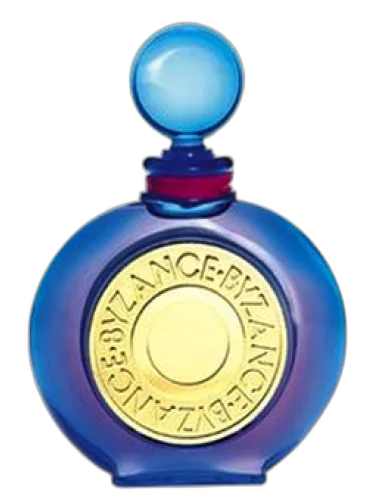
Rochas
Byzance Rochas
Shared accords: aromatic, floral, fresh

Chronotope
Spite Eau De Parfum Chronotope
Shared accords: aromatic, floral, fresh
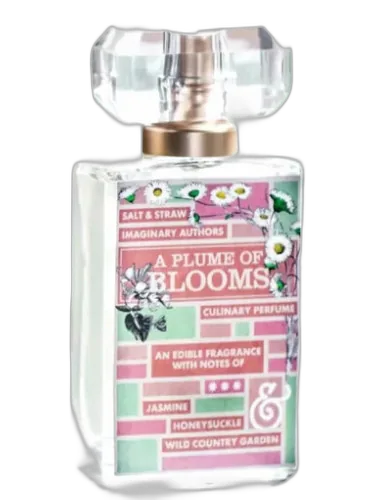
Imaginary Authors
A Plume Of Blooms Imaginary Authors
Shared accords: floral, fresh, herbal

DSH Perfumes
Fleuriste Dsh Perfumes
Shared accords: aromatic, floral, warm spicy
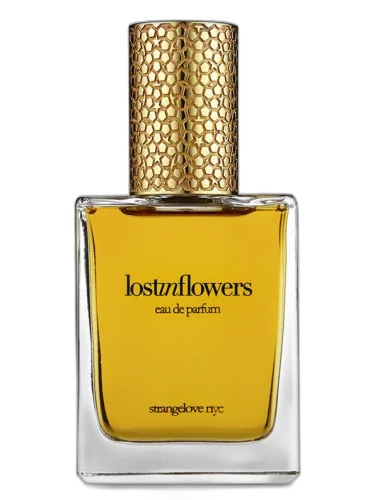
Strangelove NYC
Lost In Flowers Strangelove Nyc
Shared accords: aromatic, floral, fresh