


The Wild Atlantic Way Alkemia Perfumes
At a glance
Is The Wild Atlantic Way Alkemia Perfumes worth trying?
The Wild Atlantic Way by Alkemia Perfumes is a fragrance for women and men.
- Best match
- Casual wear in Any
- Performance feel
- Good longevity with Moderate sillage
- Signature profile
- yellow floral, sweet, aromatic with Gorse, Broom, Hawthorn
The first impression
The Wild Atlantic Way by Alkemia Perfumes is a fragrance for women and men. The Wild Atlantic Way was launched in 2018. The nose behind this fragrance is Sharra Lamoureaux.
What shapes the scent
The perfumer behind it

Sharra Lamoureaux
Sharra Lamoureaux is a perfumer whose work appears under Alkemia Perfumes, with a portfolio that includes evocative names like 1891, A Darkness Burning, and Absinthe And Laudanum In The Afternoon. Their fragrances often explore historical, literary, and darkly romantic themes. Lamoureaux's style is known for its narrative depth and use of unusual, atmospheric accords.
Notes pyramid
All Notes
Complete scent profile
 Gorse
Gorse
 Broom
Broom
 Hawthorn
 Myrtle
 Ambergris
 Peat
Peat
The mood it creates
The Wanderer Archetype: Portrait of The Wild Atlantic Way Alkemia Perfumes
Essence
This person is, at their core, an Explorer-a soul driven by curiosity, restlessness, and an insatiable hunger for the unknown. The Wild Atlantic Way, with its briny sea spray, damp earth, and wildflowers clinging to windswept cliffs, is not merely a scent to them but an invocation of freedom. They are the kind who lingers at the edges of maps, where the known world dissolves into mystery. The Explorer archetype thrives on movement, discovery, and the raw, unfiltered experience of life. They resist confinement-whether in thought, place, or routine-and instead seek the vastness of the horizon.
Yet, like all archetypes, the Explorer has its shadow. The very thirst that drives them forward can leave them unmoored, unable to settle into deep roots. Their love for the untamed can become a flight from commitment, a refusal to face the mundane necessities of life.
Style & Aesthetic
Their tastes are drawn to the raw and the organic-unpolished wood, linen that wrinkles with wear, ceramics shaped by hand rather than machine. They prefer the scent of salt and rain over artificial perfumes, the taste of wild herbs over processed flavors. Their home, if they have one, is filled with driftwood, stones from distant shores, and books whose pages bear the faint must of old libraries.
In fashion, they favor layers-loose knits, worn leather, fabrics that move with the wind. Their style is not careless but deliberately unrefined, as if to say: I belong to the earth, not to the expectations of others. They might wear silver jewelry tarnished by time, or a single piece of sea glass on a cord around their neck-a talisman of their wandering spirit.
They are as likely to be found in a coastal cabin with no neighbors for miles as they are in a bustling foreign city, absorbing its pulse before moving on. Work is a means to an end-funding the next journey, the next escape. They may be artists, writers, or nomads of some other kind, trading stability for the privilege of waking each day to an unwritten story.
But the shadow of this life is exhaustion. Even the most ardent wanderer tires. There comes a moment when the road no longer soothes but drains, when the solitude they once cherished becomes a hollow echo.
Philosophy & Values
To them, freedom is not just a desire but a moral imperative. They distrust dogma, rigid structures, and anything that demands unquestioning allegiance. Their philosophy is experiential-truth is found in the wind, in the crash of waves, in the silence of an empty moor. They are drawn to thinkers like Nietzsche, who praised the individual’s will to self-creation, or the Stoics, who found strength in detachment.
Yet this very love of freedom can make them resistant to responsibility. They may romanticize the idea of impermanence to the point of avoiding deep bonds, telling themselves that attachment is a cage. Their shadow whispers: Why stay when you can leave? Why commit when you can roam?
Relationships
They love fiercely but fleetingly. Their relationships are intense, marked by long conversations under open skies and sudden departures. They do not love lightly, but they love with an understanding that all things-even love-are transient. Their partners must be fellow travelers, those who do not seek to tie them down but who walk beside them, even if only for a season.
Their flaw here is not a lack of feeling, but an inability to endure the slow, steady burn of long-term intimacy. They mistake restlessness for depth, believing that only the new can be profound.
Shadow
In their brightest form, they are the embodiment of courage-the one who dares to step beyond the known, who finds beauty in the untamed, who refuses to be tamed by convention. They remind others that life is vast, that there are still wild places, both in the world and in the soul.
But in their shadow, they are the perpetual fugitive-running not toward something, but away. They mistake movement for growth, solitude for wisdom. The greatest challenge for the Explorer is not the next journey, but the stillness required to truly know oneself.
The Wild Atlantic Way is their scent because it is the call of the open sea-the promise of storms and sunsets, of uncharted shores. And like the ocean, they are both boundless and, at times, untamable.
If you like this, try these
Fragrances with a comparable profile - shared accords, notes, and character.
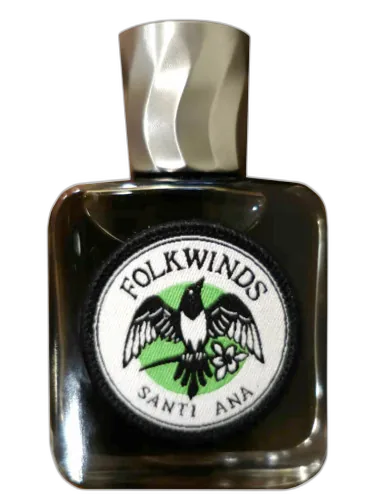
Folkwinds
Santi Ana Folkwinds
Shared top notes: ambergris
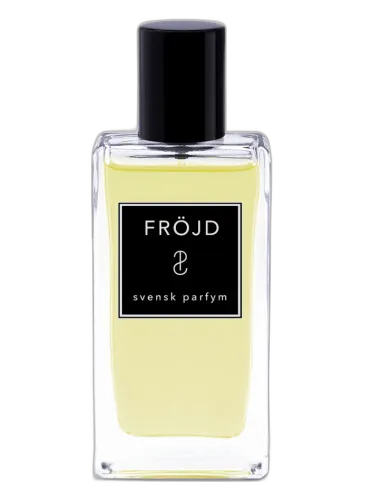
Svensk Parfym
Fröjd Svensk Parfym
Shared top notes: ambergris
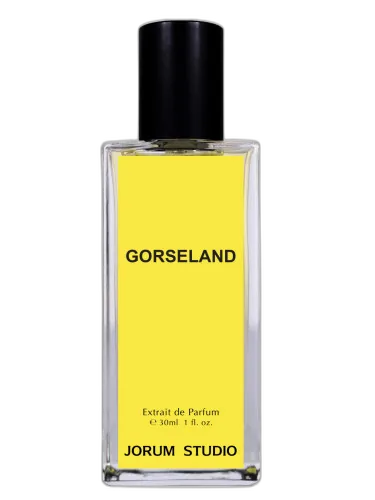
Jorum Studio
Gorseland Jorum Studio
Shared top notes: gorse
Fueguia 1833
Yaken Fueguia 1833
Shared top notes: ambergris

Tambela Natural Perfumes
Blue Jasmine Tambela Natural Perfumes
Shared top notes: ambergris