


Racine Carrée Anatole Lebreton
Fragrance Story
Racine Carrée by Anatole Lebreton is a Floral Green fragrance for women and men. Racine Carrée was launched in 2021. The nose behind this fragrance is Anatole Lebreton. Top notes are Celery, Carrot and Chamomile; middle notes are Licorice, Iris and Clary Sage; base notes are Haitian Vetiver, Cypriol Oil or Nagarmotha and Ambroxan.
Composition Profile
About the Perfumer

Anatole Lebreton
Anatole Lebreton is an independent French perfumer known for his artisanal approach and deep respect for raw materials. His olfactory style blends natural ingredients with bold, narrative-driven compositions that often evoke memory and place. Notable creations from our catalog include the luminous woody warmth of Bois Lumière, the gourmand comfort of Brioche, and the dark, resinous complexity of Grimoire.
Fragrance Notes
Top Notes
First impression · 15-30 min
 Celery
 Carrot
 Chamomile
Heart Notes
Core character · 2-4 hours
 Licorice
 Iris
Iris
 Clary Sage
Base Notes
Lasting impression · 4+ hours
 Haitian Vetiver
 Cypriol Oil or Nagarmotha
 Ambroxan
Racine Carrée Anatole Lebreton by Anatole Lebreton offers a distinctive olfactory experience that stands out from other fragrances in its category.
Crafted with the finest ingredients and a blend of traditional and modern perfumery techniques, this fragrance represents the pinnacle of the perfumer's art.
Racine Carrée Anatole Lebreton embodies the distinctive style of Anatole Lebreton while adding a unique chapter to their fragrance portfolio.
Character Profile
The Sage Archetype: Portrait of Racine Carrée Anatole Lebreton
Essence
The person who chooses Racine Carrée by Anatole Lebreton is, at their core, a Sage-a seeker of truth, drawn to the raw and unfiltered essence of life. This fragrance, with its earthy vetiver, bitter citrus, and damp moss, speaks to a mind that values depth over surface, substance over spectacle. The Sage does not merely observe the world; they dissect it, searching for the hidden patterns beneath the chaos. They are the philosopher in the woods, the quiet thinker who finds clarity in solitude.
Yet, like all archetypes, the Sage has a shadow. Their relentless pursuit of truth can become a form of withdrawal, a retreat from the messiness of human connection. They may mistake cynicism for wisdom, detachment for objectivity.
Style & Aesthetic
They do not chase status or luxury. Their rebellion is subtle: a refusal to participate in hollow rituals, a disdain for small talk, a life structured around what they deem meaningful. They may work in academia, the arts, or a solitary trade like woodworking or herbalism-anywhere they can engage deeply without the noise of bureaucracy.
Yet their independence can tip into isolation. They may pride themselves on self-sufficiency to the point of rejecting help, even when they need it. Their shadow warns them that dependence is failure, leaving them stranded in their own fortress of solitude.
Philosophy & Values
They believe in truth before comfort. If forced to choose between a pleasant illusion and a painful reality, they will always choose the latter, even if it isolates them. Their moral compass is internal, not dictated by convention. They may admire Stoicism or Zen philosophy, not as doctrines to follow blindly, but as tools for sharpening perception.
Yet this very commitment to truth can harden into rigidity. They may dismiss emotions as irrational, love as a chemical illusion, faith as naivety. Their shadow whispers that to be vulnerable is to be weak, and so they sometimes stand apart, untouched but also unloved.
Relationships
They are not the life of the party, nor do they wish to be. Their friendships are few but profound, built on shared intellectual curiosity rather than casual camaraderie. They listen more than they speak, and when they do speak, their words are measured, deliberate.
Romantically, they are drawn to those who mirror their depth-someone who can spar with them in conversation, who doesn’t fear silence. But their reluctance to surrender to emotion can make them elusive, even cold. Their partner may long for spontaneity, for warmth, only to find them retreating into thought once more.
Conclusion
Their tastes are deliberate, almost ascetic. They prefer the weight of a well-worn book to the gloss of a new gadget, the texture of raw linen to the sheen of synthetic fabrics. Their home is a sanctuary of muted tones-wood, stone, and aged paper-where every object has been chosen for its resonance, not its trendiness. They drink black coffee or bitter herbal teas, savoring the astringency as if it were a reminder of life’s inherent complexity.
In art, they are drawn to the unfinished, the ambiguous-a charcoal sketch left smudged, a novel with an open ending. They distrust anything too polished, too eager to please. Their music is likely instrumental, something that evokes landscapes rather than narratives: the hum of a cello, the rustle of leaves in a field recording.
Similar Fragrances
Fragrances with a comparable profile - shared accords, notes, and character.

Ffern
Autumn 21 Ffern
Shared accords: aromatic, earthy, green
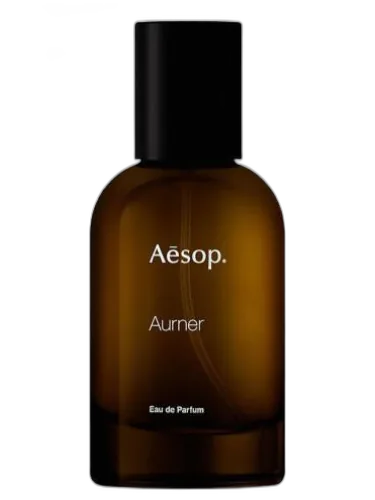
Aesop
Aurner Aesop
Shared accords: aromatic, green, herbal
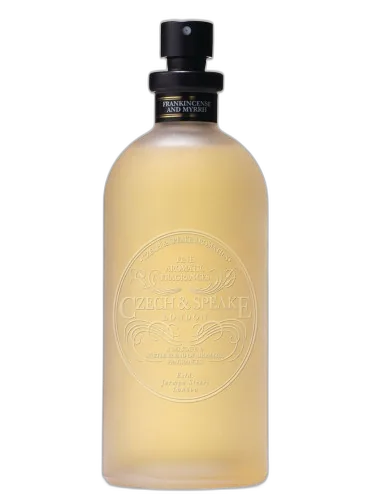
Czech & Speake
Frankincense & Myrrh Eau De Parfum Czech & Speake
Shared accords: aromatic, green, herbal

Pour Toujours
Graines Pour Toujours
Shared accords: aromatic, earthy, green

Benetton
We Are Tribe Intense Benetton
Shared accords: aromatic, earthy, green