
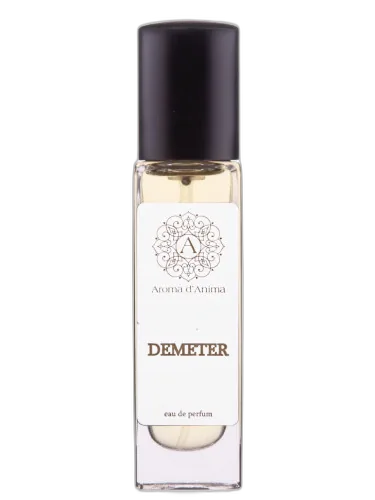

Demeter Aroma D'anima
Fragrance Story
Demeter by Aroma d'Anima is a Oriental Floral fragrance for women. Demeter was launched in 2017. The nose behind this fragrance is Anna Sivacheva. Top note is White Grapefruit; middle notes are Iris, Cardamom, Jasmine, Amber, White Pepper, Vanilla and Magnolia; base notes are Cedar, Oakmoss, Guaiac Wood, elemi, Copahu Balm and Benzoin.
Composition Profile
About the Perfumer

Anna Sivacheva
Anna Sivacheva is a perfumer known for her work with the Aroma d'Anima brand, where she creates fragrances inspired by mythology and nature. Her style blends rich, narrative-driven compositions with a balance of earthy and ethereal notes, often evoking ancient deities and mystical themes. Notable creations include Hecate, Persefona, and Psyche, which showcase her ability to translate mythological archetypes into wearable scents.
Fragrance Notes
Top Notes
First impression · 15-30 min
 White Grapefruit
Heart Notes
Core character · 2-4 hours
 Iris
Iris
 Cardamom
 Jasmine
 Amber
White Pepper
Amber
White Pepper
 Vanilla
 Magnolia
Base Notes
Lasting impression · 4+ hours
 Cedar
Cedar
 Oakmoss
 Guaiac Wood
elemi
Guaiac Wood
elemi
 Copahu Balm
 Benzoin
Demeter Aroma D'anima by Aroma d'Anima offers a distinctive olfactory experience that stands out from other fragrances in its category.
Crafted with the finest ingredients and a blend of traditional and modern perfumery techniques, this fragrance represents the pinnacle of the perfumer's art.
Demeter Aroma D'anima embodies the distinctive style of Aroma d'Anima while adding a unique chapter to their fragrance portfolio.
Character Profile
The Lover Archetype: Portrait of Demeter Aroma D'anima
Essence
The one who wears Demeter Aroma D’anima is, at their core, an embodiment of The Innocent-a Jungian archetype defined by purity, nostalgia, and an unshakable belief in the goodness of life. This fragrance, with its ethereal blend of clean linen and fresh air, evokes an almost childlike reverence for simplicity. The Innocent does not seek complexity; they crave authenticity, a return to something primal and unspoiled. They are not naive, but rather deliberate in their choice to see beauty in the mundane.
Yet, like all archetypes, The Innocent has a shadow. Their optimism can slip into denial, their love of simplicity into a refusal to engage with life’s darker textures. They may cling to the past or idealize relationships to the point of blindness. But in their best moments, they are a reminder that joy does not always require depth-sometimes, it is found in the scent of sun-dried cotton, in the quiet exhale of a summer breeze.
Relationships
In love, they are tender, almost reverential. They do not love with fire but with quiet devotion, as if each relationship were a fragile heirloom to be preserved. Their partners may find solace in their constancy, but also frustration in their reluctance to face conflict. They would rather smooth over a wound than probe its depths, believing that harmony is more important than truth.
Friends cherish them for their unwavering warmth, yet some may grow weary of their reluctance to acknowledge life’s harsher realities. They are the ones who bring soup when you are sick, who remember birthdays with handwritten notes-but they may also change the subject when the conversation turns too dark. Their shadow is not malice but avoidance, a fear that if they look too closely at the world’s imperfections, their own carefully constructed peace will shatter.
Conclusion
Their tastes are uncomplicated but deeply felt. They prefer soft fabrics-linen, cotton, wool-that carry the memory of touch. Their home is airy, filled with natural light and uncluttered spaces, perhaps a single vase of wildflowers on a wooden table. They read poetry, but not the kind that drowns in metaphor; they favor verses that speak plainly of dew on grass, of hands held in silence.
Music, for them, is acoustic, unhurried. They might love the hum of a vinyl record, the crackle of an old folk song. Their philosophy is not one of grand theories but of small, daily rituals-morning tea, evening walks, the way sunlight slants through a window at golden hour. They believe in kindness without conditions, in the sacredness of ordinary moments.
Similar Fragrances
Fragrances with a comparable profile - shared accords, notes, and character.
Aroma d'Anima
Demeter Aroma D'anima
Shared accords: amber, aromatic, citrus
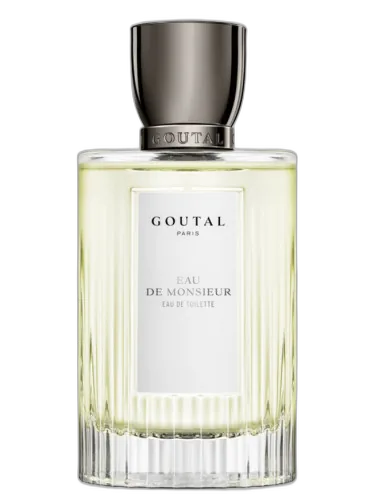
Goutal
Eau De Monsieur Goutal
Shared accords: amber, aromatic, citrus

Amado
Nuit De Rave Amado
Shared accords: amber, aromatic, citrus

Amado
Nuit De Reve Amado
Shared accords: amber, aromatic, citrus

Câline
Classic Silver Câline
Shared accords: aromatic, citrus, earthy