
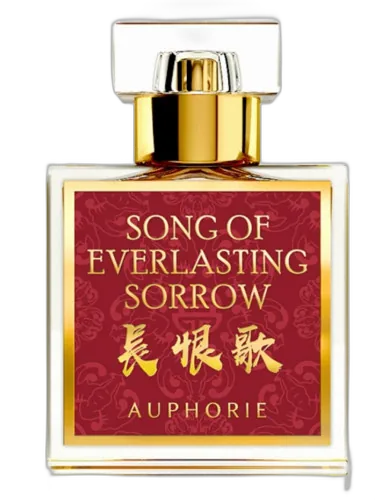

Song Of Everlasting Sorrow Auphorie
At a glance
Is Song Of Everlasting Sorrow Auphorie worth trying?
Song Of Everlasting Sorrow by Auphorie is a fragrance for women and men.
- Best match
- Evening wear in Fall
- Performance feel
- Excellent longevity with Strong sillage
- Signature profile
- warm spicy, amber, fresh with Incense, Immortelle, China Rose
The first impression
Song Of Everlasting Sorrow by Auphorie is a fragrance for women and men. Song Of Everlasting Sorrow was launched in 2020. Song Of Everlasting Sorrow was created by Emrys Au and Eugene Au.
What shapes the scent
The perfumer behind it

Emrys Au
Emrys Au is a Malaysian perfumer and co-founder of the niche brand Auphorie. His catalog includes Bing Ma Yong, Binturong, Chypre Oud Maharani, Cuir Oud Padishah, Eau De Formosa, Eau De Nyonya, Iris Macchiato, and L’anima Della Rosa. Au is known for creating complex, narrative-driven fragrances inspired by Asian culture and ingredients.
Notes pyramid
All Notes
Complete scent profile
 Incense
 Immortelle
 China Rose
 Litchi
 Ambergris
 White Tea
 Ginger
 Sandalwood
 Pear Blossom
 Agarwood (Oud)
 Musk
Musk
 Geranium
 Peony
Peony
 mulberry
The mood it creates
The Lover Archetype: Portrait of Song Of Everlasting Sorrow Auphorie
Essence
This person is defined by the Tragic Romantic archetype-a figure who finds profound meaning in beauty tinged with sorrow, who is drawn to the ephemeral and the bittersweet. They do not merely wear Song of Everlasting Sorrow; they embody its essence-a fragrance that weaves together the lushness of peony, the melancholy of incense, and the lingering sweetness of lychee and osmanthus. Like the doomed love story from which the scent takes its name, they are captivated by the tension between passion and loss.
They are not a mere sentimentalist; their appreciation for sorrow is philosophical. They understand that depth is born from contrast-that joy is sharpened by the knowledge of its impermanence. This is not weakness, but a kind of wisdom, a recognition that to love fully is to accept the inevitability of grief.
Style & Aesthetic
Their tastes are refined but never ostentatious. They prefer the patina of time-vintage silk scarves, second-hand books with yellowed pages, handwritten letters kept in a lacquered box. Their home is a sanctuary of muted colors, with flickering candlelight casting shadows on old paintings. They may collect antique perfume bottles, not as trophies, but as relics of forgotten emotions.
Their wardrobe leans toward the poetic: flowing fabrics, deep jewel tones, perhaps a single piece of heirloom jewelry worn daily, as if to keep a memory alive. They do not chase trends; they curate a personal mythology.
Philosophically, they are drawn to thinkers who embrace contradiction-Nietzsche’s amor fati, Rilke’s Letters to a Young Poet, the Taoist acceptance of duality. They believe that to deny sorrow is to cheapen joy.
Relationships
In love, they are both tender and demanding. They do not seek casual connections; they crave depth, the kind of bond that feels fated. Their relationships are marked by an almost operatic intensity-passionate devotion, whispered confessions at midnight, the occasional storm of emotion.
Yet this very intensity can become their shadow. They may idealize lovers, only to feel disillusioned when reality fails to match their inner narrative. Their melancholy can tip into self-indulgence, a tendency to dwell in sadness rather than transcend it. They might push others away, not out of cruelty, but because they fear the inevitable imperfection of human connection.
Shadow
Their greatest flaw is their reluctance to release the past. They hoard memories like sacred relics, sometimes at the expense of the present. Nostalgia, when unchecked, becomes a gilded cage. They may romanticize suffering, mistaking it for depth, or withdraw into solitude when the world feels too harsh.
But this shadow is also their potential. If they learn to honor sorrow without being consumed by it, they become guides-those rare souls who can sit with grief and still find beauty in the world.
Conclusion
When balanced, they are creators-poets, musicians, gardeners, perfumers-who transform personal longing into universal resonance. Their sadness is not a burden but a wellspring. They understand that the most enduring art is born from the tension between ecstasy and despair.
They do not seek happiness in the shallow sense. They seek meaning-and in that search, they touch something eternal.
If you like this, try these
Fragrances with a comparable profile - shared accords, notes, and character.
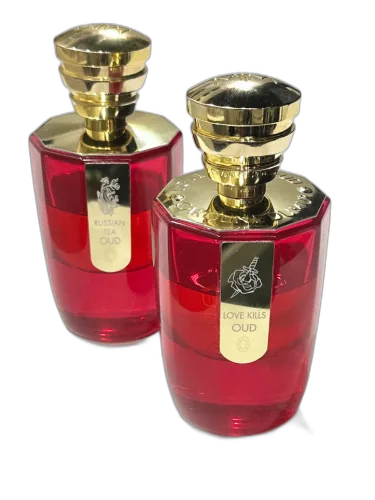
Masque Milano
Love Kills Oud Masque Milano
Shared top notes: agarwood (oud), geranium, litchi
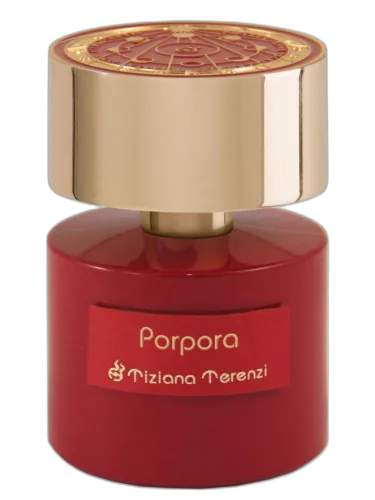
Tiziana Terenzi
Porpora Tiziana Terenzi
Shared accords: amber, balsamic, floral
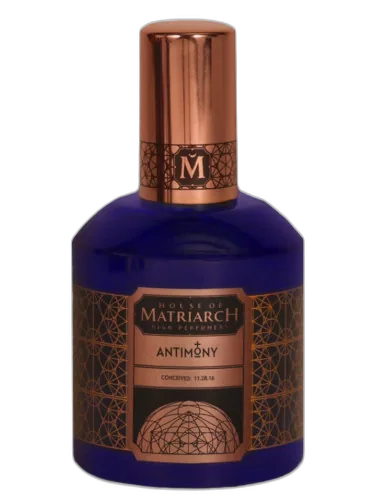
House of Matriarch
Antimony House Of Matriarch
Shared top notes: agarwood (oud), sandalwood
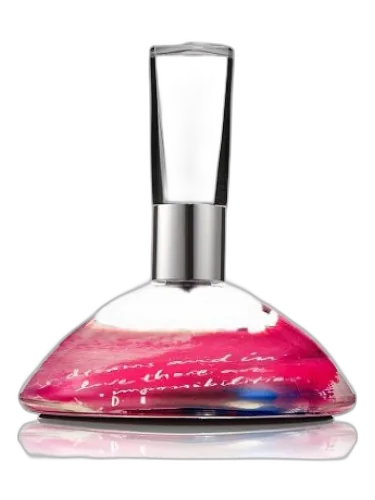
Bath & Body Works
P.s. I Love You Bath & Body Works
Shared top notes: litchi, peony
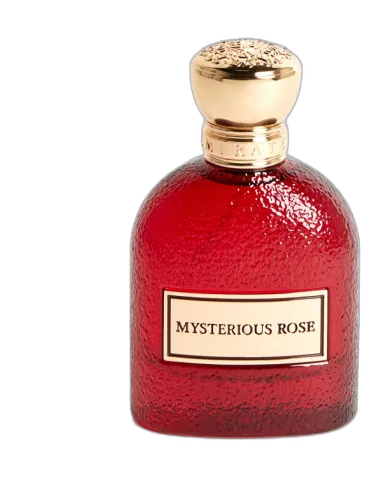
Emirates Pride Perfumes
Mysterious Rose Emirates Pride Perfumes
Shared accords: amber, balsamic, floral