
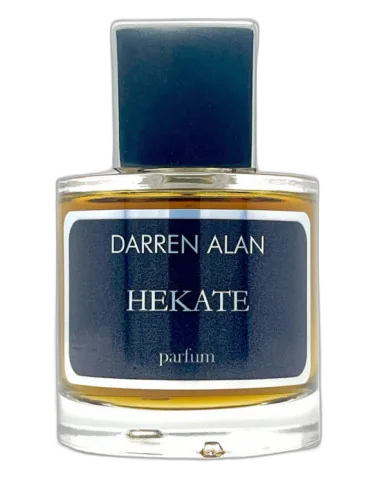

Hekate Darren Alan Perfumes
At a glance
Is Hekate Darren Alan Perfumes worth trying?
Hekate by Darren Alan Perfumes is a Woody Spicy fragrance for women and men.
- Best match
- Evening wear in Fall
- Performance feel
- Excellent longevity with Strong sillage
- Signature profile
- woody, warm spicy, animalic with Spicy Notes, Fir, Dried Apricot
The first impression
Hekate by Darren Alan Perfumes is a Woody Spicy fragrance for women and men. Hekate was launched during the 2020's. The nose behind this fragrance is Darren Alan. Top notes are Spicy Notes, Fir and Dried Apricot; middle notes are Cedar, Honey, Patchouli, Beeswax and Cypress; base notes are Cambodian Oud, Myrrh, Castoreum, Sandalwood, Orris Root and Benzoin.
What shapes the scent
The perfumer behind it

Darren Alan
Darren Alan is an American perfumer and founder of Darren Alan Perfumes. His extensive catalog includes Acqua Di Colonia, After The Rain, Bathory, Chypre No.1 Parfum, Cupid's Bow, Devil's Share, Dorian's Fougère, and Fêtes De Noël. Alan is known for creating diverse fragrances that range from classical chypres to modern gourmands.
Notes pyramid
Top Notes
First impression · 15-30 min
 Spicy Notes
 Fir
Fir
 Dried Apricot
Heart Notes
Core character · 2-4 hours
 Cedar
Cedar
 Honey
Honey
 Patchouli
 Beeswax
 Cypress
Base Notes
Lasting impression · 4+ hours
 Cambodian Oud
 Myrrh
Myrrh
 Castoreum
 Sandalwood
 Orris Root
 Benzoin
The mood it creates
The Wanderer Archetype: Portrait of Hekate Darren Alan Perfumes
Essence
To wear Hekate by Darren Alan Perfumes is to embrace the liminal-the space between light and shadow, the known and the unknown. This fragrance, with its dark resins, smoky woods, and whispers of incense, is not for those who seek comfort in the ordinary. The person who chooses it is drawn to mystery, to the hidden currents beneath the surface of life. They are, above all, a Seeker-one who walks the path of the archetypal Witch, not in the caricatured sense, but as a figure of deep intuition, transformation, and boundary-crossing.
Shadow
Yet, the path of the Witch is not without its perils. Their very strength-their ability to see beyond the veil-can become a weakness. Their detachment, while granting them insight, can harden into aloofness. They may withdraw too deeply into their own world, mistaking solitude for wisdom and cynicism for clarity.
Their intensity can also tip into obsession. They may fixate on uncovering hidden truths to the point of paranoia, seeing patterns where none exist. The same mind that weaves profound connections can also spiral into suspicion, distrusting even those who love them.
In relationships, their demand for depth can become a burden. Not everyone is prepared for their relentless probing, their refusal to settle for pleasantries. They may unintentionally push others away, then resent them for not understanding.
The Hekate devotee is neither wholly light nor wholly dark-they are the bridge between. They understand that wisdom comes with a price: the loneliness of seeing what others ignore, the weight of knowing what others deny. Yet, they would not trade this burden, for it is what makes them who they are.
They are the one who walks the forest at dusk, who lingers in the space between dream and waking. They are the keeper of thresholds, the guide for those brave enough to step into the unknown. And though their path is solitary, it is never truly lonely-for they walk with the ghosts of all who have sought truth before them.
Conclusion
This individual moves through the world with an air of quiet intensity. Their presence is magnetic, not because they demand attention, but because they seem to carry secrets within them. They are drawn to the esoteric-tarot, astrology, alchemical symbolism-not as mere hobbies, but as languages for understanding the unseen. Their mind is a labyrinth of connections, always searching for deeper meaning in the mundane.
Their style reflects this inner complexity. They favor textures that evoke antiquity-worn leather, flowing silks, oxidized silver. Their wardrobe is a tapestry of dark hues, punctuated by the occasional deep crimson or midnight blue. They do not follow trends; they curate an aesthetic that feels like an extension of their soul.
In philosophy, they reject dogma. Truth, for them, is not found in absolutes but in the interplay of contradictions. They might quote Nietzsche: "One must still have chaos in oneself to be able to give birth to a dancing star." They are comfortable with ambiguity, with the idea that wisdom often lies in paradox.
Their relationships are few but profound. They do not suffer superficiality gladly. Those who earn their trust find a fiercely loyal companion, one who listens with uncanny perception and offers advice that cuts to the heart of the matter. They are drawn to others who, like them, dwell at the edges-artists, mystics, wanderers.
If you like this, try these
Fragrances with a comparable profile - shared accords, notes, and character.

Antonio Alessandria
Dies Aurorae Antonio Alessandria
Shared heart notes: beeswax, honey
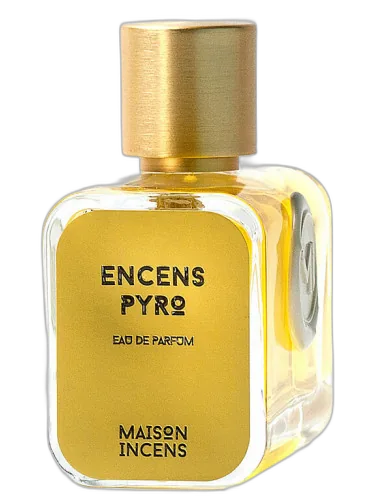
Maison Incens
Encens Pyro Maison Incens
Shared top notes: spicy notes
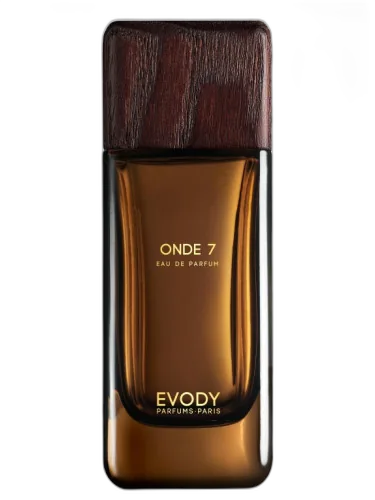
Evody Parfums
Onde 7 Evody Parfums
Shared heart notes: beeswax

EVOY
Imperator Evoy
Shared heart notes: patchouli
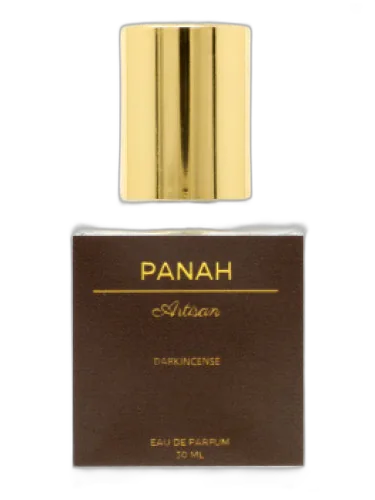
Panah London
Darkincense Panah London
Shared top notes: fir