


Lebkuchen Perfume Debaucherous Bath
At a glance
Is Lebkuchen Perfume Debaucherous Bath worth trying?
Lebkuchen Perfume by Debaucherous Bath is a Oriental Spicy fragrance for women and men.
- Best match
- Evening wear in Fall
- Performance feel
- Good longevity with Moderate sillage
- Signature profile
- citrus, nutty, sweet with Candied Orange, Ginger, Hazelnut
The first impression
Lebkuchen Perfume by Debaucherous Bath is a Oriental Spicy fragrance for women and men.
What shapes the scent
The perfumer behind it

Unknown Perfumer
Notes pyramid
All Notes
Complete scent profile
 Candied Orange
 Ginger
 Hazelnut
 Lemon Zest
 Marzipan
 Honey
Honey
 Walnut
 Cinnamon
 Spices
 Cardamom
The mood it creates
The Lover Archetype: Portrait of Lebkuchen Perfume Debaucherous Bath
Essence
At the heart of this person lies The Hedonist-an archetype devoted to sensory pleasure, indulgence, and the pursuit of warmth in all forms. The Lebkuchen fragrance, with its rich blend of gingerbread spices, honey, and dark caramel, is not merely a scent but an extension of their philosophy: life is to be savored, not endured. They are drawn to the intoxicating, the decadent, the slightly sinful-hence the name Debaucherous Bath. Yet their hedonism is not reckless abandon; it is a deliberate choice to embrace pleasure as a form of wisdom.
Style & Aesthetic
Their world is one of abundance and texture. They favor deep, warm hues-burgundy, burnt orange, gold-colors that evoke firelight and autumn evenings. Their wardrobe might include velvet, silk, or cashmere, fabrics that beg to be touched. Their home is likely filled with candles, well-worn books, and perhaps a collection of vintage teacups or liquor bottles.
In food and drink, they gravitate toward spiced, complex flavors-mulled wine, dark chocolate with chili, slow-cooked stews. They appreciate the ritual of dining, the way a meal can be an event rather than mere sustenance. Music, too, is chosen for its richness-perhaps jazz with a smoky undertone, or folk songs that tell stories of feasts and firesides.
They thrive in environments that allow for slow living-a cozy apartment, a countryside cottage, a city neighborhood with cafés and bookshops. Routine comforts them, but they must be wary of falling into inertia. The same spices that invigorate can become cloying if never changed.
Professionally, they may gravitate toward creative or hospitality-driven fields-cooking, writing, interior design, or even psychology (understanding human desires fascinates them). They dislike rigid corporate structures, preferring work that allows for self-expression and tactile satisfaction.
Philosophy & Values
To them, pleasure is not frivolous-it is a form of resistance against the cold efficiency of modern life. They reject the notion that austerity equals virtue. Instead, they believe that joy is a discipline, one that requires presence, attention, and a refusal to rush through life. Their values are rooted in sensuality, generosity, and the celebration of small luxuries.
Yet this philosophy has its risks. They may struggle with excess, occasionally crossing the line from appreciation to overindulgence. A second glass of wine becomes a third; a lazy Sunday turns into procrastination. Their challenge is to balance their love of abundance with self-discipline, lest their pleasures become chains rather than wings.
Relationships
In love and friendship, they are magnetic, affectionate, and deeply loyal. They create spaces where others feel welcomed, fed, and cherished. Their humor is often playful, teasing, laced with a hint of mischief. They are the friend who remembers your favorite dessert, the lover who leaves notes in unexpected places.
But their shadow emerges in possessiveness and jealousy. Just as they savor, they also cling. They may struggle with sharing attention or accepting that others do not always prioritize pleasure as they do. Their warmth can become smothering; their generosity can carry unspoken expectations.
Shadow
The Hedonist’s greatest danger is the slide into gluttony-not just of food or drink, but of emotion, attention, and experience. They may avoid discomfort to the point of stagnation, using sensory delights as a shield against growth. Their challenge is to temper indulgence with wisdom, to recognize that true richness comes not from endless consumption but from depth of experience.
Conclusion
This is a person who lives through their senses, for whom every scent, taste, and touch is a small rebellion against the mundane. They are both the host and the feast, the one who gathers others in warmth but must also learn when to step away from the table. Their life is a reminder: to love the world deeply is to risk being consumed by it-but what a way to burn.
If you like this, try these
Fragrances with a comparable profile - shared accords, notes, and character.
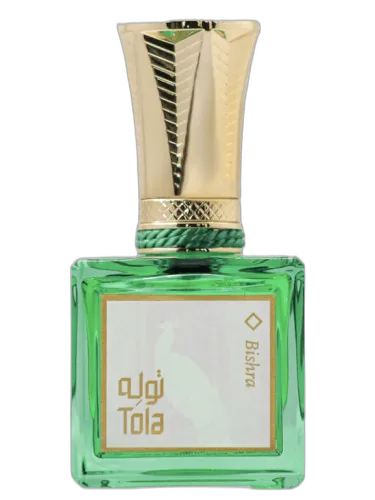
Tola
Bishra Tola
Shared top notes: cardamom, cinnamon, ginger

Natura
Beijo De Humor Natura
Shared top notes: cardamom, cinnamon, ginger
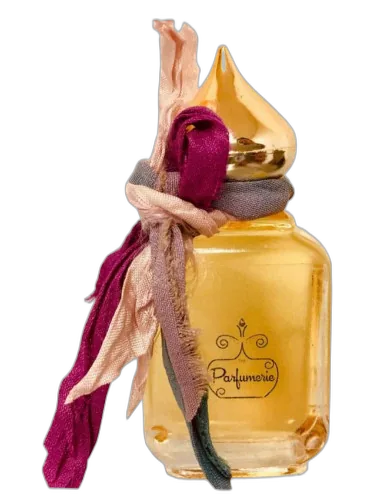
The Parfumerie
Classic Fudge The Parfumerie
Shared top notes: hazelnut, spices

Bath & Body Works
Pumpkin Pecan Waffles Bath & Body Works
Shared top notes: spices, walnut

Black Phoenix Alchemy Lab
Defututa Black Phoenix Alchemy Lab
Shared top notes: cinnamon, honey