


Dis-1 (decay) -dis
Fragrance Story
DIS-1 (Decay) by -DIS is a Leather fragrance for women and men. DIS-1 (Decay) was launched in 2020. The nose behind this fragrance is Ömer Ipekçi.
Composition Profile
About the Perfumer

Ömer Ipekçi
Ömer Ipekçi is a perfumer known for his work with the brands -DIS and Pekji, creating avant-garde and conceptual fragrances. The -DIS series explores abstract themes like decay, concrete, and paradox, while Pekji offerings such as Battaniye and Blacklight push boundaries with unconventional materials. Cuir6 and Flesh further demonstrate his interest in raw, tactile scents.
Fragrance Notes
All Notes
Complete scent profile
 Castoreum
 Angelica
 Jasmine
 Labdanum
 Saffron
 Plastic
 Vanilla
 Costus
Dis-1 (decay) -dis by -DIS offers a distinctive olfactory experience that stands out from other fragrances in its category.
Crafted with the finest ingredients and a blend of traditional and modern perfumery techniques, this fragrance represents the pinnacle of the perfumer's art.
Dis-1 (decay) -dis embodies the distinctive style of -DIS while adding a unique chapter to their fragrance portfolio.
Character Profile
The Lover Archetype: Portrait of Dis-1 (decay) -dis
Essence
This person is ruled by the Shadow Alchemist, an inversion of the traditional seeker of transformation. Where the classical Alchemist turns base metals into gold, this individual is drawn to the reverse process-dissolution, entropy, the beauty of things breaking down. They do not fear decay; they revere it, seeing in it a deeper truth about existence. Their fascination with Dis-1 (decay -dis) is not morbid, but philosophical-an embrace of impermanence as the only true constant.
Style & Aesthetic
Their appearance is a deliberate contradiction-elegant deterioration. They might wear tailored clothing with frayed edges, or adorn themselves with oxidized silver and cracked leather. Their home is a curated museum of decay: dried flowers, antique mirrors with tarnished frames, books with yellowed pages. They are drawn to scents that evoke wet earth, petrichor, tobacco, and myrrh-fragrances that carry the weight of time.
In art, they favor Baroque vanitas paintings, post-apocalyptic literature, and ambient drone music-anything that captures the tension between beauty and entropy.
They thrive in liminal spaces-abandoned buildings, overgrown cemeteries, late-night cafés where the air smells of coffee and damp paper. They are nocturnal by inclination, finding clarity in the quiet hours when the world feels suspended between life and sleep.
Their habits reflect their philosophy: they might collect dead insects, preserve wilted flowers, or keep a journal filled with fragments of dreams and overheard conversations. They are not afraid of solitude, but they are not truly alone-they are in constant dialogue with time itself.
Philosophy & Values
They believe in the aesthetics of erosion, finding elegance in rust, patina, and the slow collapse of structures. To them, decay is not failure but revelation-the stripping away of illusions. They might quote Heraclitus: "All things flow; nothing abides." Their philosophy is one of radical acceptance, a refusal to cling to false permanence. They value authenticity over preservation, preferring a crumbling truth to a polished lie.
Yet, this worldview has its shadow. Their reverence for decay can slip into nihilism, a passive surrender to dissolution rather than an active engagement with life. They may romanticize ruin to the point of self-sabotage, mistaking destruction for wisdom.
Relationships
They attract those who are drawn to depth, but repel those who seek stability. Their relationships are intense, often marked by a melancholic intimacy. They do not shy away from discussing death, loss, or the fragility of human connection. Their love is fierce but transient-they expect things to end, and this expectation can become a self-fulfilling prophecy.
Their shadow emerges in emotional aloofness, a tendency to withdraw when things become too comfortable. They may test bonds by allowing them to rot, just to see what remains.
Conclusion
This person is not broken, but a philosopher of brokenness. They understand that all things must pass, and in that understanding, they find a strange kind of peace. Their flaw is also their gift-they see too deeply, love too transiently, and embrace the inevitable with open arms.
To them, Dis-1 (decay -dis) is not a scent of death, but of transformation-the slow, inexorable return to the earth, where all things begin again.
Similar Fragrances
Fragrances with a comparable profile - shared accords, notes, and character.
-DIS
Dis-1 (decay) -dis
Shared accords: amber, animalic, leather
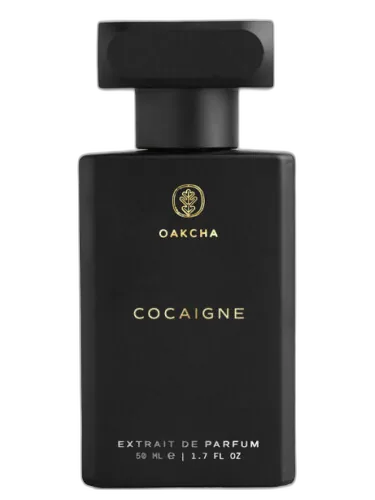
Oakcha
Cocaigne Oakcha
Shared accords: amber, animalic, leather
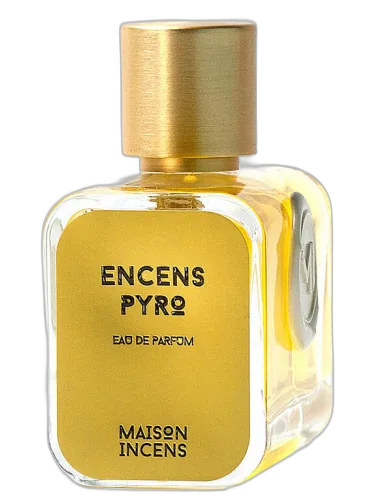
Maison Incens
Encens Pyro Maison Incens
Shared accords: amber, animalic, leather

Mallo
Bd Mallo
Shared accords: amber, animalic, leather

Gustave Eiffel
Anne De Russie Gustave Eiffel
Shared accords: amber, animalic, leather