
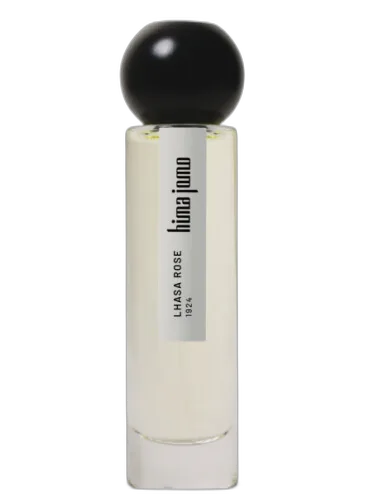

Lhasa Rose 1924 Hima Jomo
Fragrance Story
Lhasa Rose 1924 by hima jomo is a Oriental Woody fragrance for women and men. This is a new fragrance. Lhasa Rose 1924 was launched in 2024. Lhasa Rose 1924 was created by Amelie Bourgeois and Margaux Le Paih Guérin. Top notes are Pink Pepper, Geranium and Bergamot; middle notes are Incense, Rose, Damask Rose and Ambergris; base notes are Oud, Indian Sandalwood and Musk.
Composition Profile
About the Perfumer

Amelie Bourgeois
Amelie Bourgeois is a French perfumer known for her work with the niche houses Aether and Alexandre.J. Her style blends experimental, synthetic accords with natural elements, often exploring contrasts like citrus and musk or rose and alkanes. She created the Aether Oxyde and Carboneum compositions, as well as Alexandre.J’s Mandarine Sultane and Passion Bliss.
Fragrance Notes
Top Notes
First impression · 15-30 min
 Pink Pepper
 Geranium
 Bergamot
Heart Notes
Core character · 2-4 hours
 Incense
 Rose
Rose
 Damask Rose
 Ambergris
Base Notes
Lasting impression · 4+ hours
Oud
 Indian Sandalwood
 Musk
Musk
Character Profile
The Sage Archetype: Portrait of Lhasa Rose 1924 Hima Jomo
Essence
The person who cherishes Lhasa Rose 1924 Hima Jomo is most closely aligned with the Sage-an archetype of wisdom, introspection, and quiet mastery. This fragrance, with its delicate balance of rose, incense, and Himalayan spices, evokes a sense of ancient knowledge and serene contemplation. Like the Sage, this individual seeks truth not through loud proclamations but through patient observation, inner stillness, and a refined aesthetic sensibility.
Style & Aesthetic
They move through the world with an economy of motion, dressing in natural fabrics-linen, raw silk-in muted tones that suggest rather than declare. Their work, whether as a scholar, healer, or artisan, is marked by precision and a refusal to compromise quality for speed. They are not ambitious in the conventional sense but seek mastery in their chosen craft.
Their daily rituals are sacred: morning meditation, the careful preparation of tea, the deliberate choice of scent-Lhasa Rose applied sparingly, like a secret they carry with them.
Relationships
Their relationships are few but profound. They do not seek company for its own sake, preferring conversations that unfold like well-aged wine-layered, complex, and best enjoyed slowly. They are the confidant who listens more than they speak, offering insights only when asked. Yet this very strength can become their shadow: their self-sufficiency borders on isolation, and their reluctance to engage in trivialities may be mistaken for aloofness.
Romantically, they are drawn to those who mirror their depth but challenge their detachment. They may struggle with vulnerability, preferring the safety of solitude over the messy unpredictability of love. Their partners must be patient, understanding that their affection is shown not in grand gestures but in the quiet act of remembering how they take their tea.
Shadow
For all their wisdom, the Sage’s greatest flaw is their tendency toward disengagement. They observe life as if through a pane of glass-clear-eyed but untouched. Their discernment can harden into judgment, their love of solitude into an avoidance of life’s necessary chaos. At their worst, they become the Reclusive Critic, standing apart from the world while quietly lamenting its vulgarity.
They must learn that wisdom without engagement is merely a museum piece-beautiful but inert. The true test of their philosophy is not in what they know but in how they live it.
Conclusion
The lover of Lhasa Rose 1924 Hima Jomo is a seeker of the eternal in the ephemeral. Their life is an exercise in refinement, a slow unfurling of understanding. But the true challenge for the Sage is not to remain above the world but to bring their wisdom into it-to touch as well as observe, to love as well as understand. Only then does the rose truly bloom.
Similar Fragrances
Fragrances with a comparable profile - shared accords, notes, and character.
hima jomo
Lhasa Rose 1924 Hima Jomo
Shared accords: amber, aromatic, balsamic

Boadicea the Victorious
Greenwich Boadicea The Victorious
Shared accords: amber, aromatic, balsamic
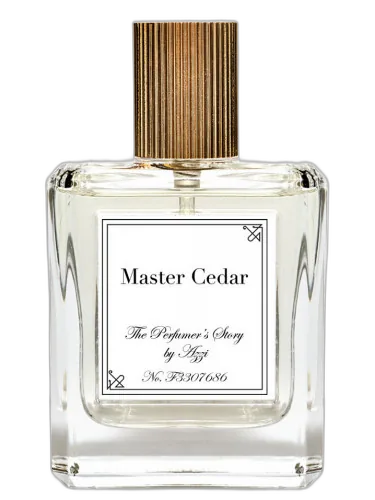
The Perfumer's Story by Azzi
Master Cedar The Perfumer's Story By Azzi
Shared accords: amber, aromatic, balsamic
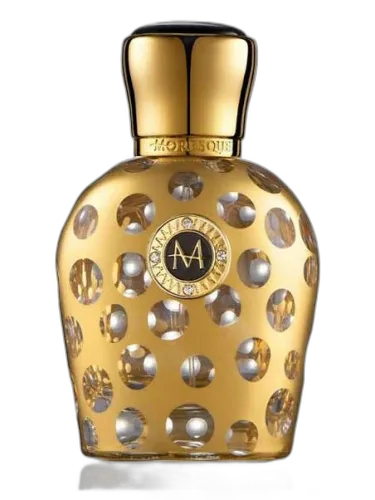
Moresque
Oroluna Moresque
Shared accords: amber, aromatic, balsamic
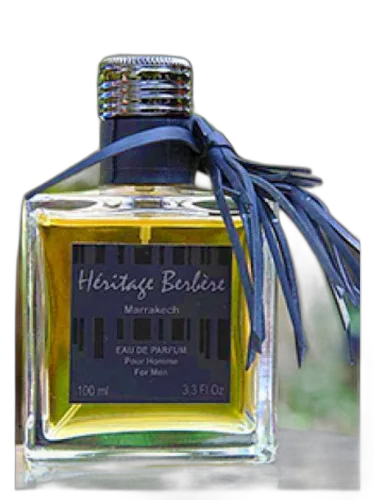
Héritage Berbère
Hb Homme 05 Héritage Berbère
Shared accords: amber, aromatic, balsamic