
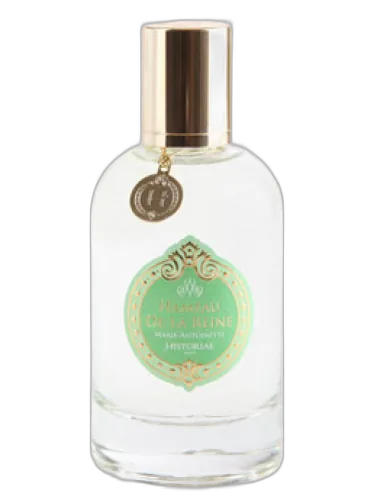

Hameau De La Reine Historiae
Fragrance Story
Hameau de la Reine by Historiae is a Floral Green fragrance for women. Hameau de la Reine was launched in 2012. The nose behind this fragrance is Bertrand Duchaufour. Top notes are Tomato Leaf, Black currant leaf, Fig Leaf and Bergamot; middle notes are Ivy, Galbanum, Mock Orange, Geranium, Peony and Rose; base notes are Vetiver, White Wood, Musk, Honey and Patchouli.
Composition Profile
About the Perfumer

Bertrand Duchaufour
Bertrand Duchaufour is a renowned French perfumer with a prolific career spanning many brands. He has created fragrances for Acqua di Parma, including Blu Mediterraneo - Cipresso Di Toscana and Colonia Assoluta, as well as for Aedes de Venustas, such as Café Tabac and Copal Azur. His style is known for its complexity and use of natural ingredients.
Fragrance Notes
Top Notes
First impression · 15-30 min
 Tomato Leaf
 Black currant leaf
 Fig Leaf
 Bergamot
Heart Notes
Core character · 2-4 hours
 Ivy
Ivy
 Galbanum
 Mock Orange
 Geranium
 Peony
Peony
 Rose
Rose
Base Notes
Lasting impression · 4+ hours
 Vetiver
 White Wood
 Musk
Musk
 Honey
Honey
 Patchouli
Hameau De La Reine Historiae by Historiae offers a distinctive olfactory experience that stands out from other fragrances in its category.
Crafted with the finest ingredients and a blend of traditional and modern perfumery techniques, this fragrance represents the pinnacle of the perfumer's art.
Hameau De La Reine Historiae embodies the distinctive style of Historiae while adding a unique chapter to their fragrance portfolio.
Character Profile
The Lover Archetype: Portrait of Hameau De La Reine Historiae
Essence
Archetype: The Romantic
This person is a modern-day Romantic, one who dwells in the liminal space between memory and fantasy. Hameau De La Reine Historiae-a fragrance evoking pastoral elegance, powdered roses, and the quiet melancholy of lost eras-speaks to their soul. They are drawn to the past not out of mere nostalgia, but because they see in it a purer, more poetic way of being. Their essence is that of the Romantic archetype, a figure who seeks beauty as a refuge from the mundane, who believes in the transformative power of emotion, and who often finds themselves at odds with the pragmatic demands of the world.
Style & Aesthetic
Their world is one of curated beauty. They favor soft, flowing fabrics-linen, silk, vintage lace-garments that whisper rather than shout. Their home is filled with antique books, dried flowers, and sepia-toned photographs, each object chosen for its ability to evoke a feeling rather than its utility. They might collect old letters or porcelain teacups, not as mere decorations, but as relics of a time when life moved at the pace of handwritten correspondence.
In art, they are drawn to the Pre-Raphaelites, the delicate melancholy of Chopin’s nocturnes, the prose of Marcel Proust. Their taste is not merely aesthetic but deeply emotional; they do not simply admire beauty-they feel it, as though it were a living presence.
Their days are shaped by ritual. Morning tea in a porcelain cup, long walks through gardens or quiet streets, evenings spent reading by candlelight-these are not mere habits, but acts of devotion to a way of life they hold sacred. They may keep a journal, filling its pages with reflections, sketches, and pressed flowers.
But their idyllic existence is not without its shadows. They may struggle with procrastination, losing themselves in daydreams while practical matters go unattended. Their resistance to modernity can become a kind of self-sabotage, leaving them ill-equipped to navigate the demands of career or responsibility.
Philosophy & Values
They believe in the sacredness of feeling, in the idea that life should be more than a series of transactions. The modern world, with its relentless efficiency and digital detachment, often feels alien to them. They value depth over speed, meaning over convenience. Their philosophy is one of sensibility-they trust intuition as much as reason, and they see love, art, and memory as the true measures of a life well-lived.
Yet this idealism is both their strength and their weakness. They may disdain practicality, dismissing it as vulgar or soulless, and in doing so, they risk becoming untethered from reality. Their reverence for the past can slip into escapism, a refusal to engage with the present except on their own terms.
Relationships
In love, they are both tender and demanding. They do not seek mere companionship, but a kind of poetic communion-a love that feels like a scene from a forgotten novel. They are capable of great devotion, but they may also impose impossible expectations on their partners, longing for a perfection that exists only in their imagination.
Friendships, too, are curated. They prefer a few kindred spirits over a wide social circle, and they are drawn to those who share their appreciation for the lyrical and the ephemeral. Yet they can be quietly judgmental, dismissing those who do not meet their standards of depth or refinement.
Shadow
Beneath their poetic exterior lies a deeper tension-the fear that their idealized world is fragile, that it cannot withstand the harshness of reality. When disillusioned, they may retreat further into fantasy, becoming passive observers of their own lives. Their sensitivity, which once seemed like a gift, can curdle into self-indulgence, a refusal to engage with anything that disrupts their aesthetic harmony.
Yet even in their flaws, there is something noble. Their refusal to fully surrender to the mundane is, in its way, an act of defiance. They may never fully belong to this world, but perhaps they were never meant to.
Similar Fragrances
Fragrances with a comparable profile - shared accords, notes, and character.
Historiae
Hameau De La Reine Historiae
Shared accords: aromatic, floral, fresh
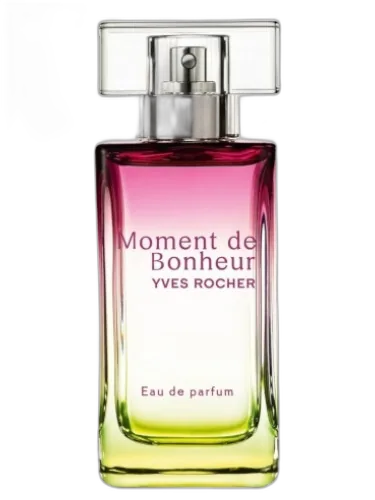
Yves Rocher
Moment De Bonheur Yves Rocher
Shared accords: aromatic, floral, fresh spicy

S. Cute
Sweet Amour Red Apple S. Cute
Shared accords: aromatic, floral, fresh
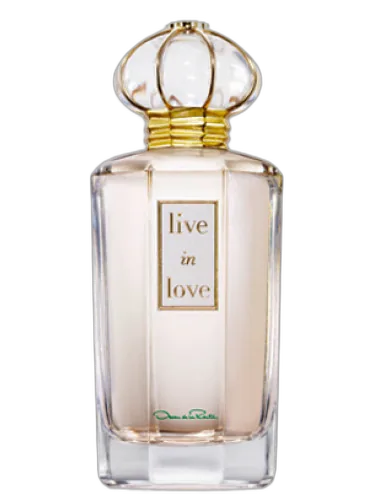
Oscar de la Renta
Live In Love Oscar De La Renta
Shared accords: aromatic, floral, fresh
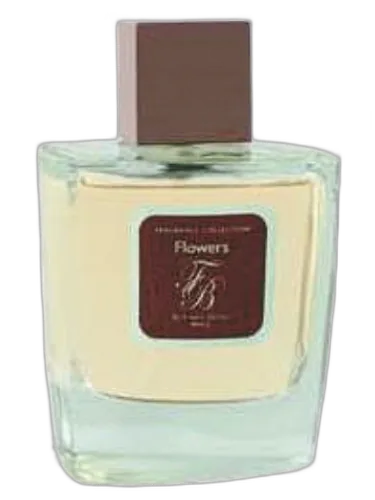
Franck Boclet
Flowers Franck Boclet
Shared accords: aromatic, floral, fresh