
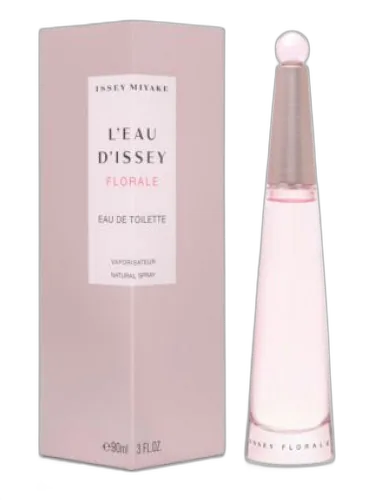

L'eau D'issey Florale Issey Miyake
Fragrance Story
L'Eau d'Issey Florale by Issey Miyake is a Floral fragrance for women. L'Eau d'Issey Florale was launched in 2011. The nose behind this fragrance is Alberto Morillas.
Composition Profile
About the Perfumer

Alberto Morillas
Alberto Morillas is a master perfumer based in Geneva, Switzerland, and a longtime collaborator with Firmenich. His style is known for refined, luminous compositions that balance natural elegance with modern clarity. He created the bold leather and spice of Amouage Opus VII - Reckless Leather, the fresh citrus depth of Acqua di Parma Colonia Intensa, and the woody warmth of Aedes de Venustas Palissandre D'or. His work has shaped contemporary perfumery across both niche and luxury houses.
Fragrance Notes
All Notes
Complete scent profile
 Rose
Rose
 Lily
Lily
 Woodsy Notes
 Mandarin Orange
L'eau D'issey Florale Issey Miyake by Issey Miyake offers a distinctive olfactory experience that stands out from other fragrances in its category.
Crafted with the finest ingredients and a blend of traditional and modern perfumery techniques, this fragrance represents the pinnacle of the perfumer's art.
L'eau D'issey Florale Issey Miyake embodies the distinctive style of Issey Miyake while adding a unique chapter to their fragrance portfolio.
Character Profile
The Lover Archetype: Portrait of L'eau D'issey Florale Issey Miyake
Essence
At the core of this person’s being lies the Innocent archetype-a soul drawn to purity, simplicity, and the quiet beauty of the ephemeral. L’Eau d’Issey Florale, with its delicate blend of peony, rose, and white musk, mirrors their essence: luminous, unburdened, and effortlessly graceful. They are not naive, but rather, they choose to see the world through a lens of optimism, believing in harmony over chaos, in softness over harshness. Yet, like all archetypes, the Innocent has its shadow-a reluctance to face the darker complexities of life, a tendency to retreat into idealism when reality becomes too abrasive.
Style & Aesthetic
Their aesthetic is one of understated elegance-clean lines, muted pastels, fabrics that flow rather than constrict. They favor minimalist design, where every object serves a purpose, yet nothing feels sterile. Their home is a sanctuary of light, with fresh flowers always in a vase, books on philosophy and poetry stacked neatly on a wooden shelf. They appreciate the Japanese concept of wabi-sabi, finding beauty in imperfection, but their own surroundings often border on the immaculate-a contradiction they may not fully acknowledge.
In music, they are drawn to compositions that evoke serenity: Debussy’s Clair de Lune, the ambient textures of Brian Eno, or the gentle melancholy of Nick Drake. They do not indulge in dissonance; they crave resolution. Their palate is refined but never excessive-green tea over coffee, a perfectly ripe peach over a decadent chocolate torte. They savor subtlety, but this restraint can sometimes mask a deeper hunger for intensity they fear to embrace.
Philosophy & Values
They believe in balance-not the rigid symmetry of dogma, but the organic equilibrium of nature. Their philosophy is a blend of Zen mindfulness and Romantic idealism; they see the world as something to be gently shaped, not conquered. They value kindness above all else, yet their distaste for conflict can make them passive in moments that demand assertion.
They are drawn to the idea of mono no aware-the bittersweet awareness of life’s transience-but they often resist the bitterness, clinging instead to the sweetness. They meditate, journal, and practice gratitude, yet when sorrow comes, they struggle to let it in, preferring to dissolve it in affirmations rather than endure its weight.
Relationships
In love, they are tender but guarded. They give affection freely but rarely expose the raw edges of their emotions. Their relationships unfold like a slow, deliberate courtship-each step measured, each word considered. They attract those who seek refuge in their calm, but they may frustrate partners who crave deeper emotional excavation.
Friends admire their poise, their ability to listen without judgment, their unwavering loyalty. Yet some may quietly resent their reluctance to engage in the messier aspects of friendship-venting, arguing, confessing insecurities. They are the steady hand in a crisis, but they may struggle to be the shoulder that absorbs tears without offering immediate solutions.
Shadow
Beneath their serene exterior lies a quiet terror of disorder. When life disrupts their carefully curated equilibrium, they do not rage-they withdraw. Their optimism, though genuine, can become a defense mechanism, a way to avoid the necessary friction of growth. They may judge those who dwell in negativity, mistaking their own avoidance for wisdom.
Their greatest fear is not failure, but ugliness-the grotesque, the unresolved, the irredeemably flawed. In their quest for purity, they risk sterilizing their own humanity, forgetting that even the most delicate flowers grow through dirt and rain.
Conclusion
To love L’Eau d’Issey Florale is to love the fleeting-the way light catches petals before they fall. This person is both the flower and the observer, caught in the paradox of wanting to preserve what cannot be held. They are at their best when they allow life to be both soft and sharp, when they learn that true grace is not the absence of shadows, but the courage to stand in the light without denying them.
Similar Fragrances
Fragrances with a comparable profile - shared accords, notes, and character.
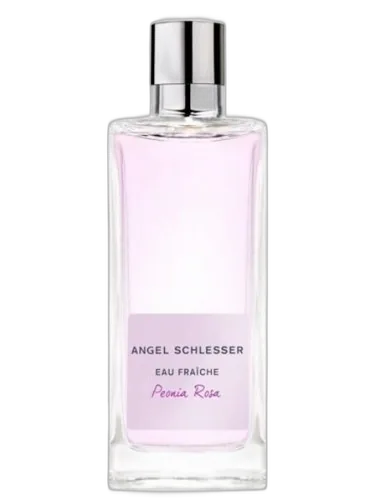
Angel Schlesser
Eau Fraiche Peonia Rose Angel Schlesser
Shared accords: citrus, floral, rose
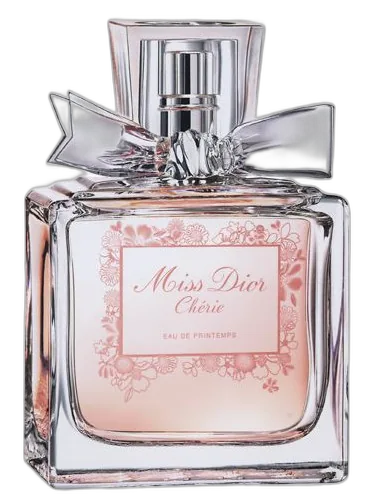
Dior
Miss Dior Cherie Eau De Printemps Dior
Shared accords: citrus, floral, rose
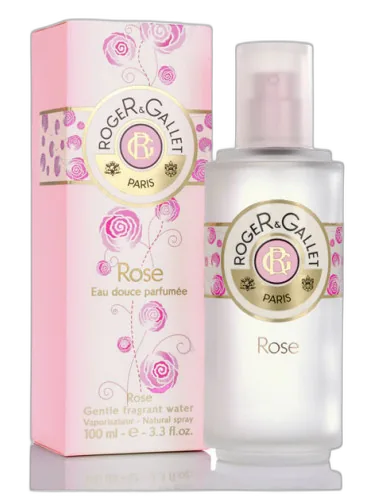
Roger & Gallet
Rose Roger & Gallet
Shared accords: citrus, floral, rose

Avon
Simply Her Avon
Shared accords: citrus, soft spicy, white floral
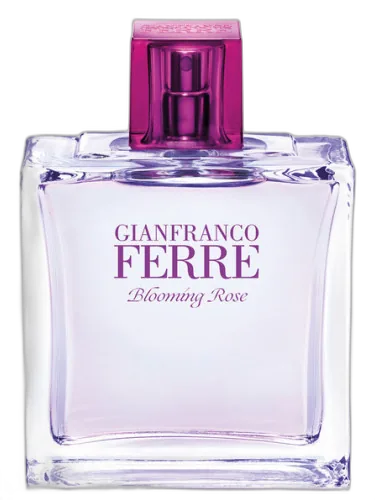
Gianfranco Ferre
Blooming Rose Gianfranco Ferre
Shared accords: citrus, floral, rose