
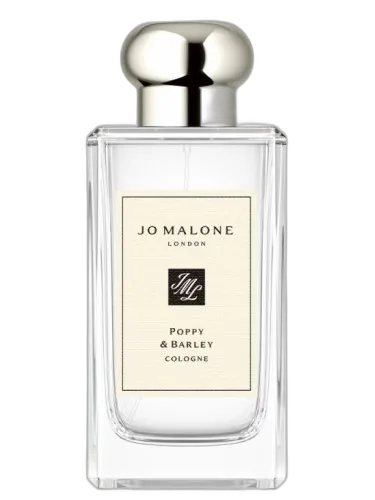

Poppy & Barley Jo Malone London
At a glance
Is Poppy & Barley Jo Malone London worth trying?
Poppy & Barley by Jo Malone London is a fragrance for women and men.
- Best match
- Casual wear in Spring
- Performance feel
- Moderate longevity with Moderate sillage
- Signature profile
- powdery, floral, lactonic with Barley, Bran, Red Poppy
The first impression
Poppy & Barley by Jo Malone London is a fragrance for women and men. Poppy & Barley was launched in 2018. The nose behind this fragrance is Mathilde Bijaoui.
What shapes the scent
The perfumer behind it

Mathilde Bijaoui
Mathilde Bijaoui is a perfumer known for Gris Charnel and its extrait for BDK Parfums. She has also created fragrances for Bentley, Charriol, and DSQUARED². Her work includes Exotic Musk, Infinite Celtic, and Potion Blue Cadet, often blending modern and classic elements.
Notes pyramid
Top Notes
First impression · 15-30 min
 Barley
 Bran
Bran
 Red Poppy
 Powdery Notes
 Fig
White Musk
Fig
White Musk
 Black Currant
 Violet
Heart Notes
Core character · 2-4 hours
Powdery Notes
 Wheat
Wheat
 Poppy
Poppy
Base Notes
Lasting impression · 4+ hours
White Musk
Barley
Bran
The mood it creates
The Lover Archetype: Portrait of Poppy & Barley Jo Malone London
Essence
The person who gravitates toward Poppy & Barley by Jo Malone London is most closely aligned with the Innocent archetype-a soul who seeks purity, simplicity, and unspoiled beauty. This is not naivety, but a conscious choice to embrace lightness, optimism, and the fleeting joys of life. The fragrance itself-softly floral, subtly earthy, with a whisper of grain-reflects their nature: delicate yet grounded, ephemeral yet enduring.
Style & Aesthetic
Their taste is effortless elegance-linen dresses, loose knits, neutral tones with the occasional pop of color, like the poppy itself. They prefer natural textures, uncluttered spaces, and objects that carry meaning without ostentation. Their home is filled with sunlight, fresh flowers, and well-loved books-perhaps a collection of poetry or essays on nature. They are drawn to art that captures transient beauty: impressionist paintings, haiku, folk music that feels both timeless and immediate.
They do not chase trends but cultivate a personal style that feels organic, as if it grew from them rather than being imposed. There is an air of quiet confidence in their choices, a refusal to be weighed down by excess.
Their days are structured but never rigid. They rise early, savoring the quiet hours with tea and a book. They enjoy long walks, not as exercise but as meditation-observing the way light filters through leaves, the scent of rain on pavement. They cook simple, nourishing meals, preferring farmers' markets to supermarkets.
They work in a field that allows them to preserve their sense of wonder-perhaps as a gardener, a writer, a teacher, or a curator of beauty in some form. They are not driven by ambition in the traditional sense, but by the desire to live meaningfully.
Philosophy & Values
They believe in the goodness of the world, or at least in the possibility of it. Their philosophy is one of gentle resistance-not through loud defiance, but by living in a way that refuses cynicism. They value kindness, sincerity, and moments of quiet connection.
Yet, this optimism is not blind. They have known disappointment, but they choose to see it as a passing season rather than an eternal truth. Their strength lies in resilience-not the kind that hardens, but the kind that bends and returns, like a field of barley in the wind.
Relationships
They are warm but not effusive, the kind of person who listens deeply and speaks with intention. Their friendships are built on trust and mutual appreciation rather than intensity. They are not the life of the party, but the one whose presence makes a room feel lighter.
Romantically, they seek a partner who shares their appreciation for simplicity-someone who understands that love is not grand gestures but shared silences, morning sunlight, and the way a hand fits perfectly in theirs. They are not possessive; they believe in freedom within connection.
Shadow
Yet, every archetype has its shadow. The Innocent’s greatest weakness is a reluctance to face darkness-both in the world and within themselves. They may suppress difficult emotions, believing that acknowledging pain will tarnish their inner light. This can lead to avoidance, a habit of turning away from conflict rather than confronting it.
At times, their optimism can verge on detachment, making them seem distant or even indifferent to those who are suffering. They may struggle with deeper intimacy, fearing that too much emotional weight will disrupt their equilibrium.
Conclusion
The challenge-and the beauty-of this archetype lies in integrating their lightness with the full spectrum of human experience. When they learn to hold sorrow without being consumed by it, their optimism becomes not an escape, but a choice. Their fragrance, Poppy & Barley, mirrors this duality: the poppy, bright and fleeting; the barley, sturdy and enduring.
They are not naive. They are warriors of softness in a world that often mistakes hardness for strength. And in their quiet way, they remind others that joy, too, is a form of resistance.
If you like this, try these
Fragrances with a comparable profile - shared accords, notes, and character.

Abdul Karim Al Faransi
Musk Tahara Monoi Abdul Karim Al Faransi
Shared top notes: white musk
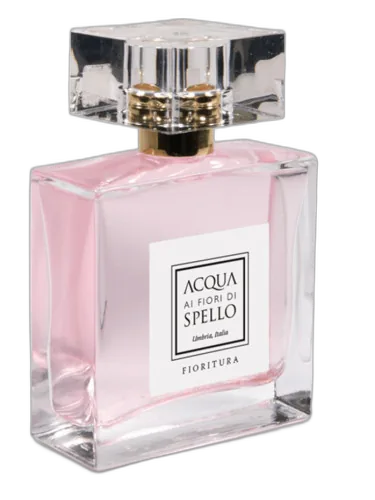
Acqua ai Fiori di Spello
Fioritura Acqua Ai Fiori Di Spello
Shared heart notes: poppy
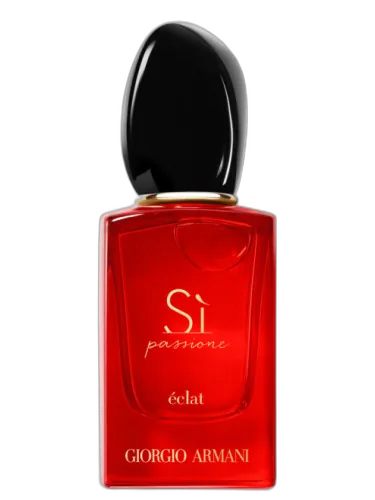
Giorgio Armani
Si Passione Eclat De Parfum Giorgio Armani
Shared top notes: black currant

CoSTUME NATIONAL
Scent Gloss Costume National
Shared base notes: white musk
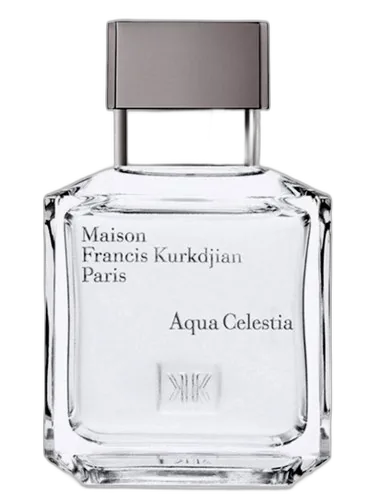
Maison Francis Kurkdjian
Aqua Celestia Maison Francis Kurkdjian
Shared top notes: black currant