


Parfum D'ete 1992 Kenzo
Fragrance Story
Parfum d'Ete 1992 by Kenzo is a Floral fragrance for women. Parfum d'Ete 1992 was launched in 1992. The nose behind this fragrance is Jean Claude Delville. Top notes are Green Leaves, Hiacynth, Peach and Mahogany; middle notes are Lily-of-the-Valley, Peony, Freesia, Narcissus, Jasmine, Cyclamen, Ylang-Ylang and Rose; base notes are Oakmoss, Iris, Musk, Sandalwood, Cedar and Amber.
Composition Profile
About the Perfumer

Jean Claude Delville
Jean Claude Delville is a perfumer with a diverse portfolio across many brands. He created fragrances such as Fatale Pink for Agent Provocateur, Rockford for Atkinsons, and multiple scents for Banana Republic including Classic and Wildbloom. He also worked on Amazing for Bill Blass and Darling for Boutique Perfumery.
Fragrance Notes
Top Notes
First impression · 15-30 min
 Green Leaves
Hiacynth
Green Leaves
Hiacynth
 Peach
Peach
 Mahogany
Heart Notes
Core character · 2-4 hours
 Lily-of-the-Valley
 Peony
Peony
 Freesia
 Narcissus
 Jasmine
 Cyclamen
 Ylang-Ylang
 Rose
Rose
Base Notes
Lasting impression · 4+ hours
 Oakmoss
 Iris
Iris
 Musk
Musk
 Sandalwood
 Cedar
Cedar
 Amber
Amber
Parfum D'ete 1992 Kenzo by Kenzo offers a distinctive olfactory experience that stands out from other fragrances in its category.
Crafted with the finest ingredients and a blend of traditional and modern perfumery techniques, this fragrance represents the pinnacle of the perfumer's art.
Parfum D'ete 1992 Kenzo embodies the distinctive style of Kenzo while adding a unique chapter to their fragrance portfolio.
Character Profile
The Lover Archetype: Portrait of Parfum D'ete 1992 Kenzo
Essence
At the core of this person’s being lies the Innocent archetype, a soul untouched by cynicism, forever chasing the ephemeral beauty of life. They are not naive in the pejorative sense, but rather possess an unshakable faith in the goodness of existence. The fragrance they adore-Kenzo’s Parfum d’Été (1992), with its lush green florals, dewy freshness, and subtle warmth-mirrors their essence: a blend of optimism, nostalgia, and an almost childlike wonder.
This archetype thrives on purity, simplicity, and the belief that life, at its core, is meant to be joyful. They are drawn to the scent’s evocation of endless summers, untouched meadows, and the first light of dawn-moments unspoiled by time or disillusionment.
Style & Aesthetic
Their world is one of soft edges and organic textures, where aesthetics are never harsh or overly structured. They favor flowing fabrics, muted pastels, and natural materials-linen, cotton, raw silk-as if dressing in harmony with the earth. Their home is an extension of this philosophy: filled with sunlight, fresh flowers, and well-loved books with dog-eared pages.
In taste, they lean toward the whimsical yet refined-Impressionist art, folk music with a melancholic lilt, films that blur reality and dream. They do not chase trends but instead cultivate a personal mythology, a private universe where beauty is not a luxury but a necessity.
Their philosophy is simple yet profound: life is to be savored, not conquered. They reject the modern obsession with relentless productivity, preferring instead to linger in moments-a cup of tea sipped slowly, a conversation that meanders without purpose. They believe in kindness as a radical act, in the power of small joys to sustain the soul.
Relationships
In love and friendship, they are gentle, nurturing, and deeply loyal, the kind of person who remembers birthdays, brings soup when you’re ill, and listens without judgment. Their presence is calming, like the first breath of spring air after a long winter.
Yet their shadow emerges in their aversion to conflict. Their optimism can border on denial-they would rather smooth over a wound than confront its cause. This avoidance sometimes leads to relationships built on unspoken tensions, where their fear of harsh truths keeps them from deeper intimacy.
They may also struggle with passivity, mistaking acceptance for surrender. When life grows difficult, they retreat into nostalgia, longing for a past (real or imagined) where things were simpler. This can make them resistant to necessary change, clinging to what was instead of shaping what could be.
Conclusion
They are not untouched by sorrow-no one is. But they have made a quiet pact with themselves: to remember the light even in darkness. Their flaw is their strength taken to excess; their strength is their flaw redeemed.
They are the one who, in midwinter, still smells of crushed leaves and wildflowers. The one who, when asked how they endure, simply smiles and says: "Because it’s beautiful."
Similar Fragrances
Fragrances with a comparable profile - shared accords, notes, and character.
Kenzo
Parfum D'ete 1992 Kenzo
Shared accords: earthy, floral, fresh

Karl Lagerfeld
Chloé (parfums Lagerfeld) Karl Lagerfeld
Shared accords: floral, fresh, green

Diana de Silva
Divina Diana De Silva
Shared accords: earthy, floral, fresh

Dzintars
Jurmala 1 Dzintars
Shared accords: earthy, floral, green
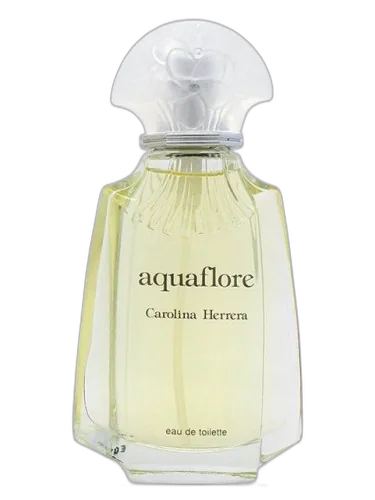
Carolina Herrera
Flore Carolina Herrera
Shared accords: floral, fresh, green