
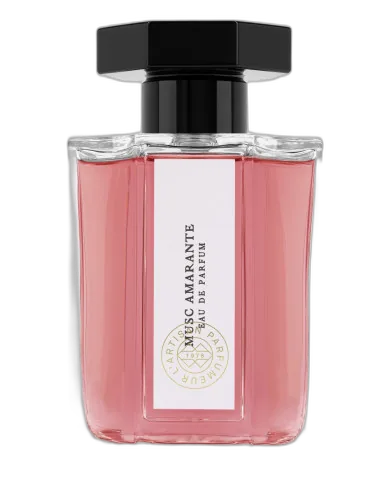
Musc Amarante L'artisan Parfumeur
Fragrance Story
Musc Amarante by L'Artisan Parfumeur is a Woody Floral Musk fragrance for women and men. This is a new fragrance. Musc Amarante was launched in 2022. The nose behind this fragrance is Quentin Bisch.
Composition Profile
About the Perfumer

Quentin Bisch
Quentin Bisch is a French perfumer known for his work with major houses like Amouage and Al-Jazeera Perfumes. His creations include Amouage Guidance, Purpose, and Existence, as well as Sidra Wood for Al-Jazeera Perfumes. Bisch often employs modern, minimalist structures with a focus on woody and amber accords.
Fragrance Notes
All Notes
Complete scent profile
 Beetroot
 Musk
Musk
 Bergamot
Musc Amarante L'artisan Parfumeur by L'Artisan Parfumeur offers a distinctive olfactory experience that stands out from other fragrances in its category.
Crafted with the finest ingredients and a blend of traditional and modern perfumery techniques, this fragrance represents the pinnacle of the perfumer's art.
Musc Amarante L'artisan Parfumeur embodies the distinctive style of L'Artisan Parfumeur while adding a unique chapter to their fragrance portfolio.
Character Profile
The Lover Archetype: Portrait of Musc Amarante L'artisan Parfumeur
Essence
The person who cherishes Musc Amarante by L'Artisan Parfumeur is most closely aligned with the Enchantress archetype-a figure who weaves allure not through overt seduction, but through quiet magnetism. This is not the tempestuous femme fatale, nor the innocent maiden, but someone who understands the power of suggestion, the art of leaving things unsaid. The Enchantress does not demand attention; she invites curiosity.
Musc Amarante-a fragrance of soft musks, powdery heliotrope, and a whisper of almond-mirrors this archetype perfectly. It is intimate, almost secretive, wrapping the wearer in a veil of understated elegance. There is nothing loud here, nothing garish-only the quiet confidence of someone who knows that true fascination lies in restraint.
Relationships
They are neither the life of the party nor a recluse, but something in between-a presence felt more in quiet corners than in crowded rooms. Friends describe them as "hard to pin down," not because they are elusive, but because they reveal themselves in layers. Their relationships thrive on depth, not volume. They have few confidants, but those they choose are bound to them in unspoken understanding.
Romantically, they are drawn to those who appreciate nuance. They disdain grand gestures, preferring the weight of a lingering glance, the significance of a carefully chosen word. Their love is not possessive but contemplative-they see their partner as a mystery to be unraveled slowly, never fully solved. Yet this very quality can become their shadow: their reluctance to fully surrender may leave lovers feeling perpetually at arm’s length.
Shadow
For all their grace, the Enchantress harbors a quiet dread-the fear of being stripped bare. Their elegance is also a shield, their mystique a way to control how much of themselves they reveal. They may mistake withholding for depth, silence for wisdom. At their worst, they become a locked door with no key, leaving even those closest to them wondering if they were ever truly admitted.
They may also struggle with passivity. Their preference for subtlety can tip into avoidance-of conflict, of commitment, of the raw edges of life. They might rationalize detachment as sophistication, when in truth, it is a refusal to engage with the messiness of existence.
Conclusion
Their tastes are deliberate, never accidental. They prefer the muted luxury of cashmere over silk, the warmth of aged paper over the glare of a screen, the slow burn of a well-aged whiskey over the immediacy of a cocktail. Their home is a sanctuary of textures: worn leather, unfinished wood, linen that softens with time. They surround themselves with objects that tell stories-antique books, handwritten letters, a single dried flower pressed between pages.
Philosophically, they reject the modern obsession with speed and excess. For them, pleasure is not in accumulation but in savoring. They might quote Epicurus, but not the hedonist caricature-rather, the philosopher who taught that tranquility is the highest good. They find beauty in the ephemeral: the way light filters through curtains at dusk, the scent of rain on warm pavement, the fleeting touch of a lover’s hand.
Similar Fragrances
Fragrances with a comparable profile - shared accords, notes, and character.
L'Artisan Parfumeur
Musc Amarante L'artisan Parfumeur
Shared accords: citrus, earthy, musky
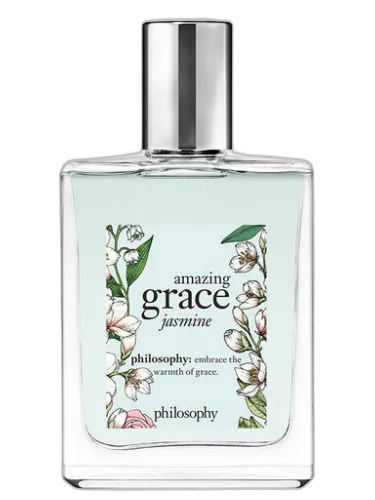
Philosophy
Amazing Grace Jasmine Philosophy
Shared accords: citrus, musky, powdery
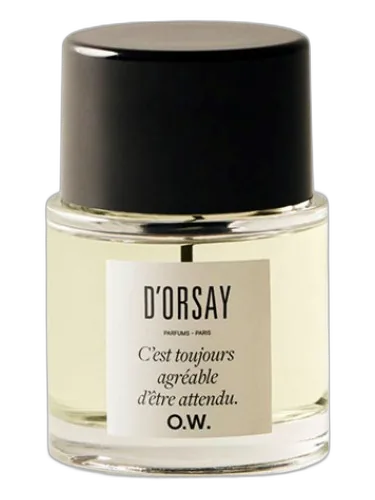
D’ORSAY
C’est Toujours Agréable D’être Attendu O.w. D’orsay
Shared accords: citrus, musky, powdery
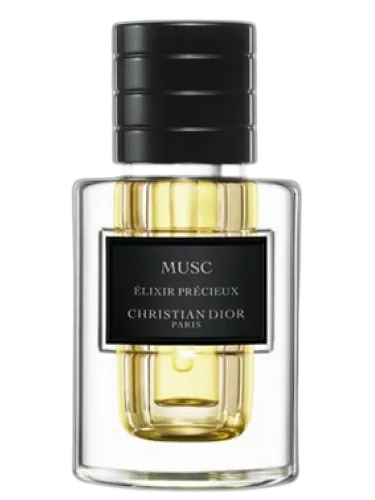
Dior
Musc Elixir Precieux Dior
Shared accords: musky, powdery
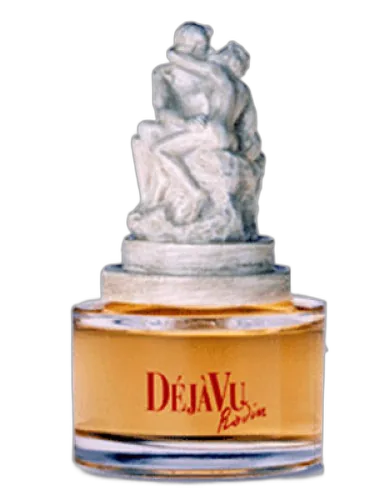
Rothenstein
Deja Vu Rodin Rothenstein
Shared accords: citrus, musky, powdery