
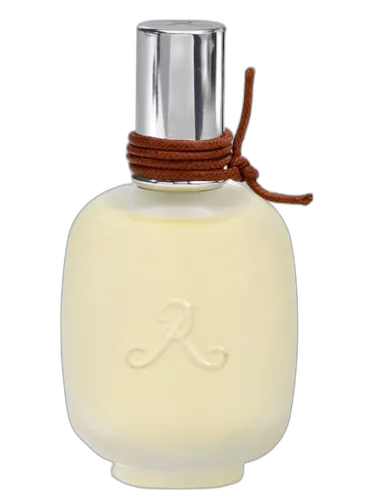

Rose D'homme Les Parfums De Rosine
Fragrance Story
Rose d'Homme by Les Parfums de Rosine is a fragrance for men. Rose d'Homme was launched in 2005. The nose behind this fragrance is François Robert. Top notes are Lemon and Bergamot; middle notes are Leather, Lavender and Vanilla; base notes are Rose, Patchouli, Vetiver, Jasmine and Mandarin Orange.
Composition Profile
About the Perfumer

François Robert
François Robert is a perfumer who has created fragrances for Bex London, Charlotte Tilbury, and Friedemodin. His work for Bex London includes a series of scents named after London postal codes, such as Londoner EC2 and SW1X, each capturing a distinct urban character. Robert also composed Scent of a Dream for Charlotte Tilbury and the floral Jardin Mystique for Friedemodin, showing a range from sophisticated cityscapes to romantic gardens.
Fragrance Notes
Top Notes
First impression · 15-30 min
 Lemon
Lemon
 Bergamot
Heart Notes
Core character · 2-4 hours
 Leather
 Lavender
 Vanilla
Base Notes
Lasting impression · 4+ hours
 Rose
Rose
 Patchouli
 Vetiver
 Jasmine
 Mandarin Orange
Character Profile
The Lover Archetype: Portrait of Rose D'homme Les Parfums De Rosine
Essence
To wear Rose D’Homme Les Parfums de Rosine is to embrace contradiction-a fragrance that blends the delicate allure of rose with the grounding warmth of spice and wood. The person who chooses this scent is not merely drawn to its olfactory composition but to the philosophy it embodies: strength softened by beauty, masculinity unafraid of tenderness. They are, at their core, an embodiment of the Lover archetype, one who seeks connection, sensuality, and meaning through experience.
This is someone who understands that life is not merely to be lived but to be felt. They move through the world with an almost poetic awareness of texture-the brush of silk against skin, the slow unfurling of a wine’s bouquet, the quiet intensity of a held gaze. Their senses are finely tuned instruments, and they wield them with deliberate appreciation.
Style & Aesthetic
Their style is an extension of their inner world-refined but never ostentatious, classic yet with a subtle twist. They might favor tailored jackets with an unexpected fabric, a vintage watch with a story, or a single piece of jewelry that carries personal significance. Their wardrobe is not about trends but about harmony-each element chosen for its ability to evoke feeling rather than mere admiration.
In their home, one finds objects of tactile beauty: a well-worn leather chair, a Persian rug with faded grandeur, a collection of art books left open as if mid-contemplation. They surround themselves with things that invite touch, that whisper of history and intimacy.
They are drawn to experiences that engage the senses-a candlelit dinner with carefully paired wines, a walk through a garden at dusk, the ritual of brewing tea in silence. They are not hedonists in the reckless sense; their pleasures are measured, almost ceremonial.
They may have a creative outlet-writing, painting, music-not as a profession but as a necessity, a way to translate their inner world into form. Their art is rarely for public consumption; it is a private dialogue with beauty.
Philosophy & Values
For them, beauty is not frivolous-it is essential. They reject the notion that depth must be austere, that wisdom must be joyless. They believe in the sacredness of pleasure, not as indulgence but as a form of reverence for existence. Their philosophy is one of sensual existentialism: life has no inherent meaning, so we must create it through what we love, what we savor, what we allow ourselves to desire.
They value connection above all-not in the shallow sense of social accumulation, but in the profound exchange of souls. A conversation, to them, is an act of communion. They listen with their whole being, not just to respond, but to understand.
Relationships
In love, they are both passionate and discerning. They do not give their heart lightly, but when they do, it is with an intensity that can be overwhelming. They crave depth, not just in romance but in all bonds-friendships that feel like shared secrets, partnerships that are dialogues rather than transactions.
Yet, their shadow emerges here. The Lover’s weakness is idealization. They can become so enamored with the idea of a person that they overlook flaws, setting themselves up for disillusionment. When reality fails to match their vision, they may retreat into melancholy or seek escape in new infatuations. Their challenge is to love what is, not just what could be.
Shadow
The Lover’s greatest danger is passivity. In their pursuit of beauty and connection, they may avoid conflict, smoothing over tensions rather than confronting them. They can become lost in aestheticism, using beauty as a shield against life’s harsher truths. At their worst, they may indulge in nostalgia, longing for a past that never was, or in fantasy, preferring dreams to reality.
Yet, when balanced, they are alchemists of the everyday, turning mundane moments into something luminous. They remind others that to live fully is not just to think or act, but to feel deeply-and in that feeling, to find something like transcendence.
Conclusion
Rose D’Homme is more than a scent to them-it is a manifesto. It declares that masculinity need not be rigid, that softness is not weakness, and that the most profound strength lies in the ability to love without fear. They are, in the end, a walking paradox: both dreamer and realist, both sensualist and philosopher. And in that tension, they find their truth.
Similar Fragrances
Fragrances with a comparable profile - shared accords, notes, and character.
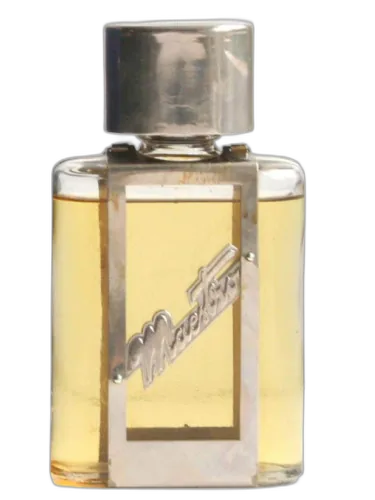
Dzintars
Maestro Dzintars
Shared accords: aromatic, citrus, earthy
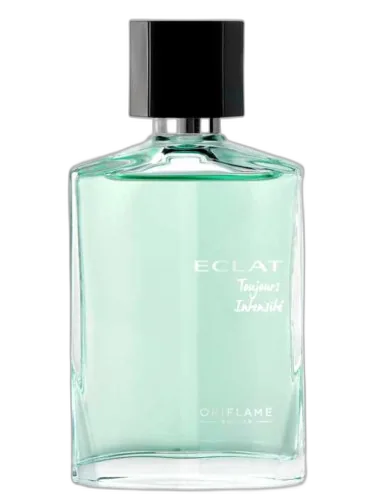
Oriflame
Eclat Toujours Intensité Oriflame
Shared accords: animalic, aromatic, citrus
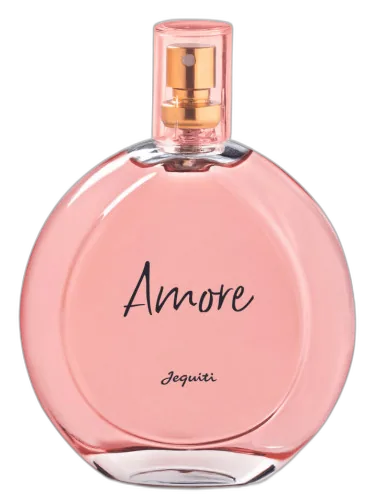
Jequiti
Amore Jequiti
Shared accords: aromatic, citrus, earthy

Moresque
Emiro Moresque
Shared accords: aromatic, citrus, leather
Acqua di Genova
Rovo Nero Acqua Di Genova
Shared accords: aromatic, citrus, earthy