
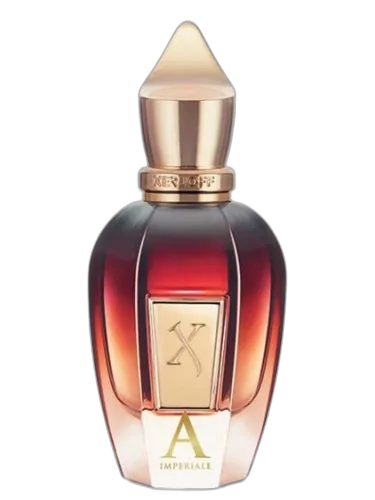

Alexandria Imperiale Xerjoff
Fragrance Story
Alexandria Imperiale by Xerjoff is a Oriental fragrance for women and men. Alexandria Imperiale was launched in 2017. The nose behind this fragrance is Chris Maurice. Top notes are Lavender, Cardamom and Rose; middle notes are Orris, Marjoram, Woody Notes, Leather, Cypriol Oil or Nagarmotha, Cedar and Sage; base notes are Cambodian Oud, Laotian Oud, Agarwood (Oud), Indian Oud, Sandalwood, Musk, Amber and Vanilla.
Composition Profile
About the Perfumer

Chris Maurice
Chris Maurice is a perfumer with a wide-ranging portfolio that includes work for Aqualis, Artal Perfumes, Assaf, Astrophil & Stella, Azman, and Bey Parfum. His creations include Egoli, Forbidden Rose, Darley, Love Is Lost, Moonage Daydream, Riad Jasmine, Song For A Wanderer, and Abyssoria. His style varies from floral and romantic to dark and mysterious.
Fragrance Notes
Top Notes
First impression · 15-30 min
 Lavender
 Cardamom
 Rose
Rose
Heart Notes
Core character · 2-4 hours
 Orris
Orris
 Marjoram
 Woody Notes
 Leather
 Cypriol Oil or Nagarmotha
 Cedar
Cedar
 Sage
Sage
Base Notes
Lasting impression · 4+ hours
 Cambodian Oud
 Laotian Oud
.jpg) Agarwood (Oud)
Agarwood (Oud)
 Indian Oud
 Sandalwood
 Musk
Musk
 Amber
Amber
 Vanilla
Alexandria Imperiale Xerjoff by Xerjoff offers a distinctive olfactory experience that stands out from other fragrances in its category.
Crafted with the finest ingredients and a blend of traditional and modern perfumery techniques, this fragrance represents the pinnacle of the perfumer's art.
Alexandria Imperiale Xerjoff embodies the distinctive style of Xerjoff while adding a unique chapter to their fragrance portfolio.
Character Profile
The Sovereign Archetype: Portrait of Alexandria Imperiale Xerjoff
Essence
The person who cherishes Alexandria Imperiale by Xerjoff is, at their core, a Sovereign-an embodiment of the Ruler archetype in Jungian terms. This fragrance, with its opulent blend of amber, vanilla, citrus, and spices, evokes regality, control, and an unshakable sense of self. The Ruler thrives on order, influence, and mastery over their domain, whether that be their career, social circle, or personal philosophy. They are drawn to the scent’s richness, its balance of warmth and authority, and its unmistakable presence-much like their own.
Yet, the Sovereign is not merely a tyrant in disguise. Their rule is often benevolent, guided by a vision of excellence and a desire to elevate those around them. But power, when unchecked, can slip into rigidity or detachment-the shadow side of the Ruler.
Style & Aesthetic
Their tastes are deliberate, curated with the precision of a monarch selecting crown jewels. They favor timeless elegance-tailored suits, rich fabrics, and understated luxury. Their home is a sanctuary of order, where every object has purpose and beauty. Dark woods, polished metals, and deep hues dominate their space, mirroring the warmth and depth of Alexandria Imperiale.
In art, they gravitate toward the classical-Renaissance paintings, Baroque music-yet they appreciate modern minimalism when it carries the same weight of intention. Their reading list leans toward philosophy, history, and strategic treatises-Nietzsche, Sun Tzu, Marcus Aurelius-texts that reinforce their worldview: life is to be mastered, not merely lived.
They live with calculated extravagance. Their mornings begin with ritual-espresso in fine porcelain, a carefully selected outfit, perhaps a moment of reflection before the day’s battles. They frequent places where power is exchanged: private clubs, high-end galleries, boardrooms. Leisure, for them, is still purposeful-a game of chess, a round of golf with influential contacts, or a solitary walk through a museum.
Yet, their shadow lurks in exhaustion. The weight of perpetual self-mastery can drain them, leading to moments of cold detachment or private frustration. They may resent those who live freely, unburdened by the responsibility they impose upon themselves.
Philosophy & Values
The Sovereign believes in hierarchy, excellence, and legacy. They see life as a series of challenges to be met with discipline and foresight. Their moral code is strict, though not necessarily conventional-they define their own rules, but once set, they adhere to them with near-religious devotion.
They value loyalty above all in relationships, but their expectations are high. To earn their trust is to be granted a place in their inner circle-a privilege few receive. Yet, this exclusivity can isolate them. Their shadow emerges when their need for control stifles spontaneity or when their pride blinds them to their own vulnerabilities.
Relationships
In love, they are passionate but demanding. They seek a partner who is both an equal and an admirer-someone who respects their strength but is not cowed by it. Romance, for them, is a dance of power and tenderness. They are generous lovers, indulging their partner with fine dinners, rare gifts, and unwavering protection. But they struggle with vulnerability; to admit weakness feels like abdicating the throne.
Friendships are strategic but deeply meaningful. They surround themselves with those who inspire or challenge them, yet they keep a certain distance-always aware of their role as the pillar of their social world. Their shadow here is a tendency to see people as pieces on a chessboard, valuable but ultimately subordinate to their vision.
Conclusion
The admirer of Alexandria Imperiale is a paradox-both magnanimous and merciless, commanding yet lonely. Their strength is their ability to shape their world with unwavering will; their flaw is the fear that without control, all will crumble.
But perhaps, in rare moments, when the scent of amber and vanilla lingers on their skin, they allow themselves a fleeting thought: what if true power lies not in ruling, but in release?
Similar Fragrances
Fragrances with a comparable profile - shared accords, notes, and character.
Xerjoff
Alexandria Imperiale Xerjoff
Shared accords: animalic, aromatic, fresh spicy
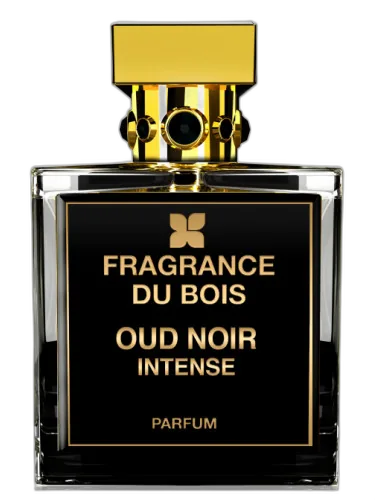
Fragrance Du Bois
Oud Noir Intense Fragrance Du Bois
Shared accords: aromatic, fresh spicy, oud
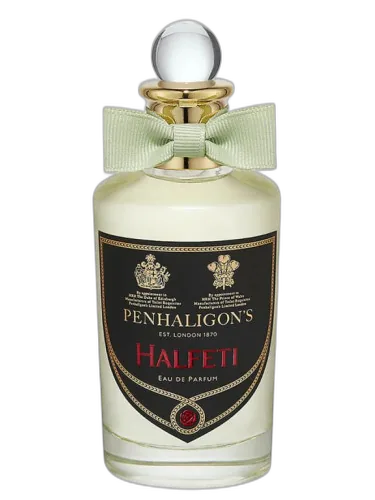
Penhaligon's
Halfeti Penhaligon's
Shared accords: aromatic, fresh spicy, oud
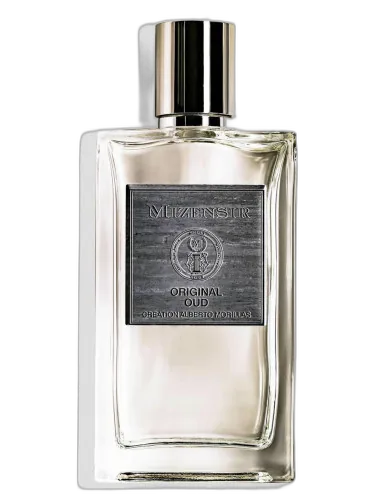
Mizensir
Original Oud Mizensir
Shared accords: animalic, aromatic, fresh spicy
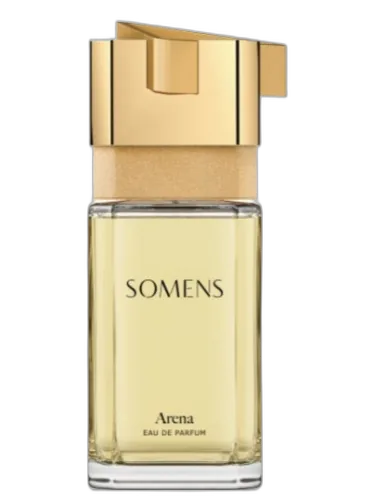
Somens
Arena Somens
Shared accords: aromatic, fresh spicy, herbal